April 21, 2014 — Treatment options for high-risk heart patients with severely calcified coronary artery disease (CAD) have been limited for more than 20 years. Now, Robert Wood Johnson University Hospital (RWJUH) in New Brunswick, N.J., offers a new alternative to open up blocked arteries.
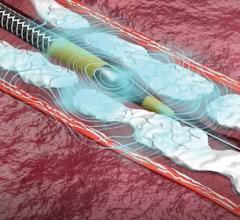
Plaque build-up in the arteries can form calcium lesions, and that build-up can be difficult to treat and significantly impact the quality of life of persons affected, explained Ramzan M. Zakir M.D., clinical assistant professor of medicine at Rutgers Robert Wood Johnson Medical School and director of transradial catheterization at RWJUH. For patients with lots of calcium in the arteries, it may be necessary to break up the calcium to allow the stents to open up or expand properly, he added.
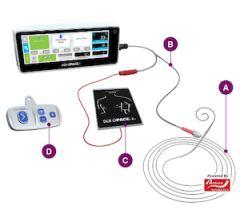
“Although a device to break up calcium exists, that same device hasn’t really changed in over 20 years. It’s complex to use and involves a lengthy set-up time, leading some physicians to opt for open heart surgery to treat such blockages,” he said. “With the recently FDA-approved device called the Diamondback 360, we can easily break up the calcium to facilitate stent delivery and proper expansion. Even complex cases that previously could only be treated through the femoral artery now can be treated radially to restore proper blood flow and relieve patients’ symptoms such as chest pain and shortness of breath.”
Zakir has completed the required training, including six cases, for use of the Diamondback 360 Coronary Orbital Atherectomy System and is now the first physician in New Jersey to receive coronary certification from device maker Cardiovascular Systems Inc. (CSI).
This new, less invasive treatment alternative is significantly important for patients with severely calcified coronary artery disease that are considered high risk, including those managing other diseases (such as diabetes and chronic kidney disease) or the elderly, Zakir said.
CAD occurs when a fatty material called plaque builds up on the walls of arteries that supply blood to the heart. The plaque buildup causes the arteries to harden and narrow (atherosclerosis), reducing blood flow. CAD is a life-threatening condition and leading cause of death in men and women in the United States.
The risk of CAD increases if a person has one or more of the following: high blood pressure, abnormal cholesterol levels, diabetes, or family history of early heart disease. CAD affects an estimated 17 million people in the United States and is the most common form of heart disease, which claims more than 600,000 lives in the United States each year.
According to estimates, significant arterial calcium is present in nearly 40 percent of patients undergoing a percutaneous coronary intervention (PCI). Significant calcium contributes to poor outcomes and higher treatment costs in coronary interventions when traditional therapies are used, including a significantly higher occurrence of death and major adverse cardiac events.
Cardiovascular Systems Inc. received U.S. Food and Drug Administration (FDA) approval for the Diamondback 360 in October and RWJUH is one of only two hospitals in New Jersey using it.
For more information: www.csi360.com, www.rwjuh.edu

 August 28, 2026