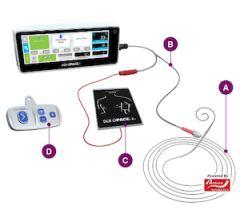
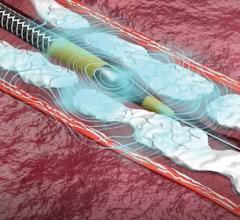
The FDA has cleared Angel Medical Systems' second-generation AngelMed Guardian device. The implantable cardiac device detects and warns patients if they are having an acute coronary syndrome (ACS) event, including silent heart attacks. The new, second-generation device is enhanced with ease-of-use adaptations and an updated, long life battery that could potentially double the life of the implanted device
July 1, 2021 — The U.S. Food and Drug Administration (FDA) has cleared the Angel Medical Systems Inc. second-generation AngelMed Guardian device. It is the world's first implantable cardiac detection monitor and patient-warning system for acute coronary syndrome (ACS) events, including silent heart attacks. The new, second-generation device is enhanced with ease-of-use adaptations and an updated, long life battery that could potentially double the life of the implanted device.
The AngelMed Guardian device is implanted subcutaneously by a cardiologist during a low-risk, outpatient surgical procedure. Using a patented algorithm, the AngelMed Guardian continuously records the heart's electrical activity, 24 hours a day, monitoring for electrical changes that can indicate an impending ACS event. The AngelMed Guardian device provides a more effective diagnosis of a life-threatening condition when compared to patient symptoms alone.[1]
"Patients who have had a prior ACS event often remain at high-risk of a recurrent event. Even those patients who are on alert for another potential cardiac event may delay seeking treatment," said Michael Gibson M.D., Boston Clinical Research Institute. "The AngelMed Guardian System has demonstrated the ability to identify the earliest signs of an ACS event, including heart attacks, more effectively than patients' symptoms alone, and in patients who do not experience symptoms at all."
"The improved AngelMed Guardian device will have a meaningful effect on the current standard of patient cardiology care for ACS events. Our dedicated team and supporting physicians have worked tirelessly to bring this disruptive technology to market," said AngelMed Chief Executive Officer Brad Snow. "As the first real-time detection device for high-risk heart attack patients, the AngelMed Guardian System provides critical data at the point of care, along with peace of mind for physicians and patients alike."
"Our key learnings based on hundreds of thousands of hours of clinical monitoring data for many ambulatory patients with cardiovascular disease provides a technology platform for future offerings. Our patient-centric approach will drive our research and development," said Dave Keenan, AngelMed chief operating officer.
Every 40 seconds, someone in the U.S. suffers a myocardial infarction or heart attack.2 The most important risk factors for another cardiovascular event in post-heart attack patients are age, medical history, comorbidities, and the severity of their first ACS event.[3] Despite proactive ongoing efforts over the last decade from the medical community to better educate the public on signs and symptoms of a heart attack, the time from symptom onset to arrival at a hospital remains static at eight hours.[4]
For more information: www.angel-med.com
References:

 August 28, 2026