
Feature | Jeffrey J. Fine, M.S., Ph.D. with contributions from Timothy W. Attebery
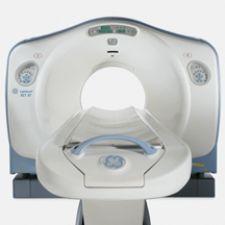
Diagnostic cardiology has experienced revolutionary changes over the past five years as a result of coronary computed tomography angiography (CCTA). The ability to noninvasively obtain three- dimensional anatomic images of technical quality far superior to catheter angiography has forever altered the diagnostic landscape.
 March 22, 2007
Technology
Siemens has introduced the completely redesigned Soarian Cardiology 2.0, which has become an integral part of Nebraska Heart Hospital’s strategy to be at the forefront of treating cardiovascular disease by pursuing comprehensive solutions. The CIVS blends cardiac imaging via syngoDynamics and information technology (IT) to optimize clinical performance and help improve patient outcomes.
March 22, 2007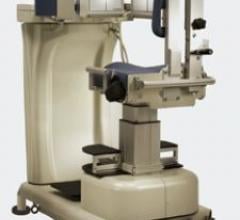
Technology
The Cardius 3 XPO triple-head camera features fourth- generation High Definition Solid-State Detectors (HDSD) that offer up to a 38 percent greater image acquisition efficiency for cardiac SPECT over dual-head systems and a patient positioning system that permits imaging patients weighing up to 500 pounds.
March 22, 2007Sponsored Content

Feature | Nuclear Imaging
Cardiac PET/CT represents a major advancement in cardiovascular diagnostics, offering significant clinical and ...
November 12, 2025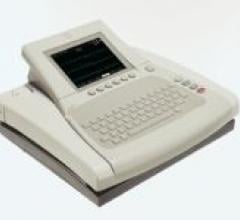
Technology
Ideal for basic 12-lead resting ECG analysis, the MAC 3500 electrocardiograph unit delivers technology to help clinicians improve reliability and accuracy in cardiac assessments, while also helping to increase productivity and efficiency.
March 22, 2007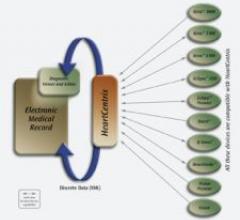
Technology
Cardiac Science Corp. has launched HeartCentrix, a software solution that enables its diagnostic stress, Holter and electrocardiography devices to communicate seamlessly with physician office-based electronic medical record (EMR) systems.
March 22, 2007Technology
St. Jude Medical Inc. says it has received FDA approval of a new cardiac rhythm management device designed to help physicians manage heart failure (HF) patients, including patients who have or may develop atrial fibrillation (AF).
March 22, 2007Sponsored Content
Feature
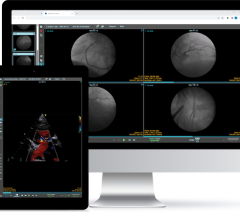
SPONSORED CONTENT — Studycast is a comprehensive imaging workflow system that allows healthcare professionals to work ...
June 17, 2025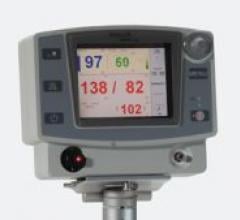
Technology
A new MRI monitor to complement the Maglife product line, the Maglife light makes MRI monitoring within reach of virtually every MRI Center. It can handle all monitoring needs and is compatible with MRI scanners up to 3T.
March 22, 2007Technology
When used in conjunction with the ev3 embolic protection device, ev3’s PROTÉGÉ RX Carotid Stent has been FDA cleared for the treatment of carotid artery disease in patients who are at high-risk for adverse events from carotid artery surgery. The cleatance was supported by the CREATE (Carotid Revascularization with ev3 Inc.
March 22, 2007
Feature | Craig Walker, M.D., with contributions from Vinod Nair, M.D.
The application of computed tomography in cardiovascular practice has utilized electron beam computed tomography (EBCT) and multidetector computed tomography (MDCT). Both are useful for calcium scoring; however, the superior spatial resolution of MDCT has made it the dominant modality in arterial imaging.
March 21, 2007Sponsored Content

Feature | Information Technology
Providing exceptional cardiovascular care for patients to achieve the best possible outcomes is the number one goal for ...
March 21, 2024News
March 22, 2007 — MedicalCV Inc. has announced it has received FDA clearance for its SOLAR Surgical Ablation System for ...
March 21, 2007News
March 22 2007 — ZOLL Medical Corp announced today it received FDA clearance to market and sell the ZOLL M Series with ...
March 21, 2007
Feature | Archana Swathy
The modern world of medicine has been revolutionized by the inception of minimally invasive interventional techniques ...
March 21, 2007Sponsored Content

Feature | Cardiac Imaging
Cardiac positron emission tomography (PET) is growing in popularity among cardiologists because it provides the ability ...
March 05, 2024News
March 22, 2007 — St. Jude Medical Inc. says it has received FDA approval of a new cardiac rhythm management device ...
March 21, 2007News
March 22, 2007 — Evalve, Inc., a privately held medical device company, has announced the FDA has approved a registry of up to 70 patients who are at high risk of mortality from surgical treatment for mitral regurgitation (MR) as part of its ongoing pivotal EVEREST Study (Endovascular Valve Edge-to-Edge REpair STudy).
March 21, 2007Feature | Larry Sieb
Cardiac exams represent only about five percent of all CT procedures, but cardiac CT continues to generate the most interest at manufacturers’ exhibits as seen at the 2006 RSNA Annual Scientific Meeting. The fascination with Cardiovascular Computed Tomography (CVCT) remains high even though full reimbursement is not expected to occur until 2009, according to industry observers at RSNA.
March 21, 2007