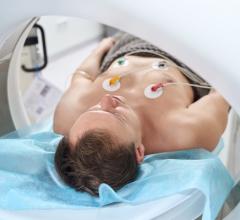
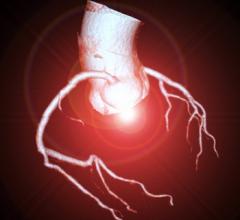
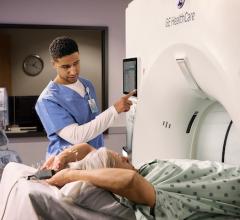
January 30, 2017 — Intravenous contrast media (typically iohexol or iodixanol) used in computed tomography (CT) does not appear to be associated with chronic kidney disease, dialysis, kidney transplant or acute kidney injury, despite long-held fears to the contrary. The results of the largest controlled study of acute kidney injury following contrast media administration in the emergency department were published online in Annals of Emergency Medicine ("Risk of Acute Kidney Injury Following Intravenous Contrast Media Administration").
"Over 80 million doses of IV contrast media are administered every year, and in the emergency department it can be essential to accurately diagnose certain acute critical conditions," said lead study author Jeremiah Hinson, M.D., Ph.D., of Johns Hopkins University School of Medicine in Baltimore. "But physicians have had concerns that the contrast media causes serious kidney problems later on, with some studies showing contrast-induced nephropathy occurring in as many as 14 percent of patients receiving it. However, studies used to establish this risk were performed prior to the development of modern contrast reagents or without adequate controls. Using a controlled design in current context, we could not find an association between intravenous contrast media use and acute kidney injury."
Researchers studied five years of records for patients receiving CT with or without contrast-enhancement in the emergency department. Of all CT scans, 57.2 percent were contrast-enhanced. The probability of developing acute kidney injury was 6.8 percent for patients undergoing contrast-enhanced CT, 8.9 percent for patients receiving unenhanced CT and 8.1 percent for patients not receiving CT at all.
"While a well-controlled randomized prospective study is required to fully determine the contribution of intravenous contrast media to the development of acute kidney injury, our results clearly demonstrate that in emergency departments such as ours where practice patterns have evolved to protect patients' kidneys, contrast media is not associated with increased risk of kidney injury," said Hinson. "Our data also suggest that in cases where contrast-enhanced CT is indicated to avoid delayed or missed diagnosis of critical disease, the potential morbidity and mortality resulting from a failure to diagnose potentially life-threatening conditions likely outweigh any potential risk of kidney injury.”
For more information: www.annemergmed.com
Hinson, J.S., Ehmann, M.R., Fine, D.M., Fishman, E.K., et al. "Risk of Acute Kidney Injury After Intravenous Contrast Media Administration," Annals of Emergency Medicine. Published Jan. 25, 2017. DOI: http://dx.doi.org/10.1016/j.annemergmed.2016.11.021
 July 30, 2026