CeloNova Stent
November 25, 2014 — CeloNova BioSciences, Inc., announced that positive frst-in-man (FIM) clinical trial results found its Cobra PzF coronary stent system with an advanced nano-thin coating of Polyzene-F polymer to be a safe and effective routine interventional treatment for real-world and complex patients with heart disease.
Researchers discussed the findings during a live symposium titled “New Therapies Available in Germany but Not in the USA: p-c-i Live in Partnership with TCT.” The symposium was moderated by Dr. Sigmund Silber from Germany, and Dr. Renu Virmani from the United States, at the Transcatheter Cardiovascular Therapeutics (TCT) 2014 meeting.
The prospective, single-center study included 100 patients, many of who presented with multi-vessel disease, complex lesions, and co-morbidities such as diabetes, hypertension, dyslipidemia, atrial fibrillation, history of PCI, previous myocardial infarction, and more. Researchers achieved 100% angiographic success. Following treatment, patients were placed on a 30-day anti-coagulant regimen of aspirin (1-2 mg/kg/d) and clopidogrel (1-2 mg/kg/d). At six-month follow-up, results show 0% stent thrombosis, 0% myocardial infarctions, one cardiac death due to terminal cardiac insufficiency (1%), and 3% Target Lesion Revascularization (TLR), leading to 4% Major Adverse Coronary Event (MACE).
“The Cobra PzF coronary stent system’s six-month clinical performance is impressive given the wide variety of challenging patients in this study. Even more remarkable, and exciting, are the low TLR and MACE rates as well as the absence of major bleeding complications related to the 30-day limit on dual-antiplatelet therapy,” said Luc Maillard, M.D., Ph.D., lead investigator of the FIM study (The first human experience with novel nano surface modified Cobra PzF Stent). “These data add to recent animal studies showing that Polyzene-F nano-coating technology is associated with rapid healing and re-endothelialization, and may reduce stent thrombosis and restenosis without the use of long-term blood thinning medication.”
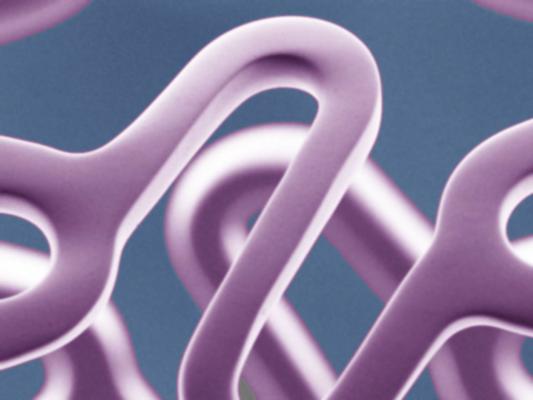
Coronary stents are thin wire-mesh devices used in minimally invasive interventional procedures to open clogged arteries in the heart. The Cobra PzF coronary stent is made of Cobalt Chromium Super Alloy and is coated with an advanced nano-thin coating of Polyzene-F polymer. The stent platform and the nano-coating technology are designed to impart thrombo-resistance, low inflammation, rapid and natural healing properties. Earlier generation Polyzene-F stents have been studied and results published in scientific journals. CeloNova's Cobra PzF stent builds on this knowledge and improves on the earlier generation Polyzene-F stent technology.
“The Cobra PzF coronary stent is designed to satisfy the unmet market need for a device that offers the short dual-antiplatelet therapy regimen associated with bare-metal stents, but with the possibility of lower restenosis rates,” said Kathryn Conner, Senior Vice President, Strategic Marketing, CeloNova Biosciences, Inc. “CeloNova will continue to support the growing body of compelling clinical evidence for this exciting stent platform. We are committed to introducing innovative and disruptive products that significantly improve patient care across the full-care continuum.”
In March, CeloNova Biosciences received U.S. Food and Drug Administration approval to begin an investigational device exemption (IDE) trial of the Cobra PzF coronary stent system in the United States.
“I am pleased to lead the important IDE trial of this novel device in the U.S.,” said Donald E. Cutlip, M.D., principal investigator and Professor of Medicine, Harvard Medical School. “We recently surpassed a clinical milestone with 100 patients enrolled and look forward to sharing our future findings when data become available.”
For more information: celonova.com
 September 02, 2026