Getty Images
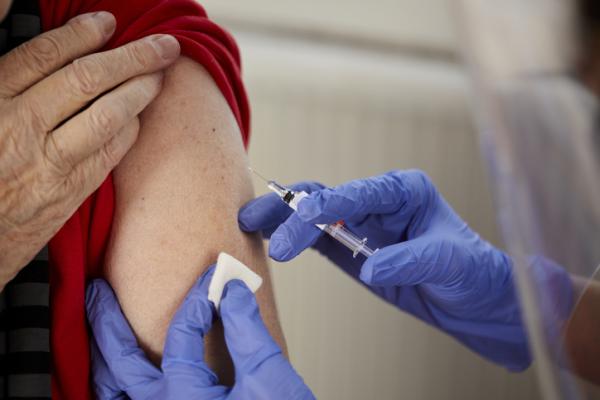
August 26, 2022 — COVID mRNA vaccines are associated with a decreased risk of death in patients with heart failure, according to research presented at ESC Congress 2022. The study also found that the vaccines were not associated with an increased risk of worsening heart failure, venous thromboembolism or myocarditis in heart failure patients.
“Our results indicate that heart failure patients should be prioritized for COVID-19 vaccinations and boosters,” said study author Dr. Caroline Sindet-Pedersen of Herlev and Gentofe Hospital, Hellerup, Denmark. “COVID-19 vaccines will continue to be important for preventing morbidity and mortality in vulnerable patient populations. Thus, studies emphasizing the safety of these vaccines are essential to reassure those who might be hesitant and ensure continued uptake of vaccinations.”
Patients with heart failure are at increased risk of hospitalization, need for mechanical ventilation, and death due to COVID-19. Vaccination reduces the risk of serious illness from COVID-19. However, “Due to perceptions about possible cardiovascular side effects from mRNA vaccines in heart failure patients, this study examined the risk of cardiovascular complications and death associated with mRNA vaccines in a nationwide cohort of patients with heart failure,” said Dr. Sindet-Pedersen.
The study included 50,893 unvaccinated patients with heart failure in 2019 and 50,893 patients with heart failure in 2021 who were vaccinated with either of the two mRNA vaccines (BNT162B2 or mRNA-1273). The two groups were matched for age, sex, and duration of heart failure. The median age of participants was 74 years and 35% were women. The median duration of heart failure was 4.1 years. Participants were followed for 90 days for all-cause mortality, worsening heart failure, venous thromboembolism, and myocarditis, starting from the date of the second vaccination for the 2021 group and the same date in 2019 for the unvaccinated group.
The researchers compared the risk of adverse outcomes in the two groups, after standardizing for age, sex, heart failure duration, use of heart failure medications, ischaemic heart disease, cancer, diabetes, atrial fibrillation, and admission with heart failure less than 90 days before the first date of follow up. Dr. Sindet-Pedersen explained: “Standardization imitates a randomized trial and is a way to obtain a better causal interpretation of the results from observational studies.”
Among 101,786 heart failure patients, the researchers found that receiving an mRNA vaccine was not associated with an increased risk of worsening heart failure, myocarditis or venous thromboembolism but was associated with a decreased risk of all-cause mortality. The standardized risk of all-cause mortality within 90 days was 2.2% in the 2021 cohort (vaccinated) and 2.6% in the 2019 cohort (not vaccinated), showing a significantly lower risk for all-cause mortality in 2021 versus 2019. The standardized risk of worsening heart failure within 90 days was 1.1% in both cohorts. Similarly, no significant differences were found between groups for venous thromboembolism or myocarditis.
Dr. Sindet-Pedersen concluded: “The study suggests that there should be no concern about cardiovascular side effects from mRNA vaccines in heart failure patients. In addition, the results point to a beneficial effect of vaccination on mortality.”
For more information: www.escardio.org
Related COVID Content:
Myocarditis Risk Significantly Higher After COVID-19 Infection vs. After a COVID-19 Vaccine
COVID-19 Fallout May Lead to More Cancer Deaths
Kawasaki-like Inflammatory Disease Affects Children With COVID-19
FDA Adds Myocarditis Warning to COVID mRNA Vaccine Clinician Fact Sheets
CMS Now Requires COVID-19 Vaccinations for Healthcare Workers by January 4
Cardiac MRI of Myocarditis After COVID-19 Vaccination in Adolescents
Small Number of Patients Have Myocarditis-like Illness After COVID-19 Vaccination
Overview of Myocarditis Cases Caused by the COVID-19 Vaccine
Case Study Describes One of the First U.S. Cases of MIS-C
NIH-funded Project Wants to Identify Children at Risk for MIS-C From COVID-19

 September 11, 2026