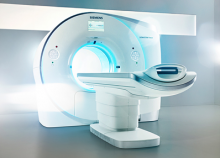
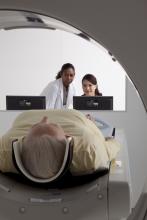
Clinical trial results demonstrated that a noninvasive coronary computed tomography angiography (CTA)-based test accurately assesses coronary artery disease (CAD) with results closely matching those of invasively measured fractional flow reserve (FFR), and may inform potential revascularization treatment options, including angioplasty and coronary artery bypass surgery (CABG), better than current methods.


According to a new study, administering the blood thinner bivalirudin to patients experiencing an ST-elevation myocardial infarction (STEMI) in a pre-hospital setting can reduce the risk of death and major bleeding complications compared to heparin with optional use of glycoprotein IIb/IIIa inhibitors.


clinical trial shows that rapidly cooling patients who have suffered ST-elevation myocardial infarction (STEMI) prior to restoring blood flow is safe and feasible. The findings of the CHILL-MI trial were presented at the 25th annual Transcatheter Cardiovascular Therapeutics scientific symposium (TCT 2013).


study supports the use of instantaneous wave-free ratio (iFR) to simplify assessment and determine the severity of coronary artery disease (CAD). ADVISE II findings were presented today at the 25th annual Transcatheter Cardiovascular Therapeutics scientific symposium (TCT 2013).


study found that both drug-eluting stents (DES) with biocompatible polymers and DES with biodegradable polymers were associated with low major adverse coronary events, demonstrating the non-inferiority of the biocompatible polymer stents in patients undergoing percutaneous coronary intervention (PCI).


clinical trial conducted exclusively in women suggests that an initial strategy of using the radial artery in the arm as the entry point for cardiac catheterization or percutaneous coronary intervention (PCI) in women has potential for reducing bleeding complications.


In a clinical trial, a self-expanding transcatheter aortic valve met the key performance objective of reducing death and stroke in patients with severe aortic stenosis at “extreme risk” for surgery. Results of the CoreValve Extreme Risk trial were presented at the 25th annual Transcatheter Cardiovascular Therapeutics scientific symposium (TCT 2013) in San Francisco.


Tryton Medical Inc., a developer of stents designed to treat bifurcation lesions, announced activities highlighting the latest data and experience with the Tryton Side Branch Stent at the 25th annual Transcatheter Cardiovascular Therapeutics (TCT) scientific symposium (TCT 2013).


Philips and RealView Imaging Ltd. have completed a clinical study that demonstrated the feasibility of using an innovative live 3-D holographic visualization and interaction technology to guide minimally invasive structural heart disease procedures.


Boston Scientific Corp. has received CE mark for its Lotus Valve System, a transcatheter aortic valve replacement (TAVR) technology. This key approval offers an effective new treatment alternative for patients with severe aortic stenosis at high risk with surgical valve replacement.


Subscribe Now