Adding the antiplatelet drug ticagrelor (Brilinta) to aspirin as long-term therapy after a heart attack significantly reduced the rate of subsequent death from cardiovascular causes, heart attack or stroke, with the benefit appearing to accrue for nearly three years, according to a study presented at the 2015 American College of Cardiology (ACC) Annual Scientific Session.


Cardiac visualization and analysis software provider Epsilon Imaging announced the results of four studies presented at the ACC 2015 that demonstrated improved quality in assessment of heart function with EchoInsight visualization and analysis.  These studies included:

March 26, 2015 — Siemens Healthcare introduced a new angiography system and new cardiac ultrasound apps at the 2015 American College of Cardiology (ACC) annual meeting. 
 

A new expert consensus paper released by a coalition of cardiovascular organizations provides guidance on transcatheter pulmonic valve replacement (tPVR) for children and adults who were previously treated for congenital heart disease (CHD). The paper was jointly issued by the Society for Cardiovascular Angiography and Interventions (SCAI), American Association for Thoracic Surgery (AATS), American College of Cardiology (ACC) and The Society of Thoracic Surgeons (STS).


Patients who received the new drug Bendavia before undergoing angioplasty or stent implantation after a heart attack showed no significant reduction in scarring compared to patients given a placebo, according to a new study.


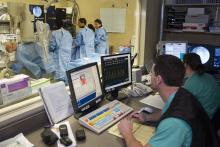
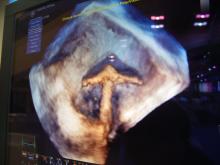
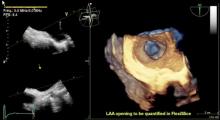
Mount Sinai experts were the first in the eastern United States on March 23 to implant the Watchman device, a newly U.S. Food and Drug Administration (FDA)-approved device that prevents stroke in patients with arrhythmia.


he Sapien 3 heart valve (Edwards Lifesciences) demonstrated lower death, stroke and paravalvular leak rates than earlier generation devices in patients at high risk for surgery and showed encouraging results in intermediate-risk patients, according to research presented at the 2015 American College of Cardiology (ACC) Annual Scientific Session. 
 

Patients who experience the deadliest form of heart attack — ST-segment elevation myocardial infarction (STEMI) — and suffer from substantial narrowing in multiple heart arteries may benefit from receiving angioplasty in constricted arteries not affected by the heart attack, thereby reducing the need for future angioplasty, according to research presented at the 2015 American College of Cardiology (ACC) Annual Scientific Session. 


Despite the advent of a new generation of stents, patients with multiple narrowed arteries in the heart who received coronary artery bypass grafting fared better than those whose arteries were opened with balloon angioplasty and stents in a study presented at the 2015 American College of Cardiology (ACC) Annual Scientific Session.


Subscribe Now