
Technology
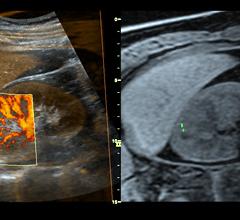
September 5, 2008 - GE Healthcare today said it launched a new ultrasound system for radiology and vascular applications, the LOGIQ E9, which fuses ultrasound images with images from other imaging modalities like CT and MR.
 September 04, 2008
News
September 2, 2008 - GE Healthcare launched a new ultrasound system for radiology and vascular applications that fuses ...
September 04, 2008Technology
Vascular Solutions will partner with Radius Medical Technologies for the U.S. launch of the MICRO Elite Snare, a device ...
September 04, 2008Sponsored Content

Feature | Nuclear Imaging
Cardiac PET/CT represents a major advancement in cardiovascular diagnostics, offering significant clinical and ...
November 12, 2025News
September 5, 2008 - Pathway Medical Technologies Inc., today received FDA clearance to market Jetstream, a peripheral atherectomy catheter designed for use in the treatment of peripheral artery disease (PAD) in the lower limbs.
September 04, 2008Technology
Boston Scientific launched its Atlantis 018 Peripheral Imaging Catheter, which reportedly brings existing 40MHz coronary ...
September 03, 2008Technology
The FDA has approved the LipiScan Coronary Imaging System, an angiography laser scanner by InfraReDx Inc., which is intended to characterize fatty deposits in coronary vessel walls using near infrared diffuse spectroscopy.
September 03, 2008Sponsored Content
Feature
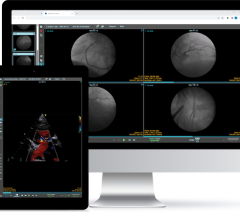
SPONSORED CONTENT — Studycast is a comprehensive imaging workflow system that allows healthcare professionals to work ...
June 17, 2025Technology
The recently FDA-approved COGNIS CRT-D and the TELIGEN ICD from Boston Scientific are among the smallest and thinnest high-energy devices at 32.5 cc and 31.5 cc respectively, while less than 10 mm thick. Both devices offer extended battery longevity over previous company devices, self-correcting software and improved programming technology.
September 03, 2008
Feature | Dave Fornell
The use of embolic protection devices (EPD) during percutaneous cardiac procedures has helped reduce the number of complications due to debris being released into the bloodstream and causing blockages in smaller vessels. The devices are designed to capture and remove debris that may be dislodged during procedures. There are three classes of EPD devices:
September 03, 2008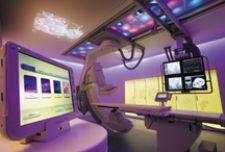
Feature | Cristen Bolan
In as much as the environment in which you live can affect your quality of life, so can the environment in which someone receives medical care affect patient outcome – at least in theory.
September 03, 2008Sponsored Content

Feature | Information Technology
Providing exceptional cardiovascular care for patients to achieve the best possible outcomes is the number one goal for ...
March 21, 2024News
September 3, 2008 - Endologix Inc. yesterday said six-year patient follow-up data from the company’s Powerlink System ...
September 03, 2008Technology
Spectranetics Corp. recently announced the availability of its LLD EZ Lead Locking Device (LLD) for the removal of ...
September 03, 2008Technology
TRUMPF Medical Systems Inc. offers an in-light high-definition (HD) operating room camera, the TruVidia HD, which ...
September 03, 2008Sponsored Content

Feature | Cardiac Imaging
Cardiac positron emission tomography (PET) is growing in popularity among cardiologists because it provides the ability ...
March 05, 2024Technology
St. Jude Medical’s Promote RF CRT-D (cardiac resynchronization therapy defibrillator) and Current RF ICD (implantable cardioverter defibrillator) are radiofrequency (RF) wireless devices used to treat patients with heart failure and with potentially lethal heart arrhythmias.
September 03, 2008
Feature | Nuclear Imaging | Dave Fornell
If the case went to court for whether positron emission tomography (PET) or single, photon emission computed tomography (SPECT) is better suited for myocardial perfusion imaging, experts say the current technology and developments on the horizon would result in a hung jury.
September 03, 2008News
September 4, 2008 – St. Elizabeth, in Cincinnati, OH, which serves more than 300 stroke patients annually, is the first ...
September 03, 2008