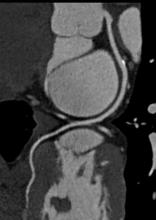
There are currently three major trends in cardiovascular computed tomography (CT) technology — lowering radiation dose, development of myocardial perfusion imaging and the use of CT datasets for procedural planning, especially for transcatheter aortic valve replacement (TAVR). 


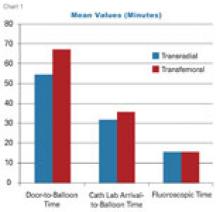
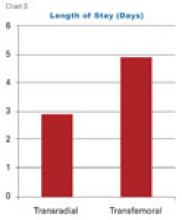
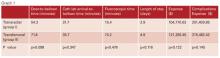
There is much discussion about the possibility of using transradial artery access to help reduce door-to-balloon times in ST-elevation myocardial infarction (STEMI) patients. Northside Hospital, Tampa Bay Heart Institute in St. Petersburg, Fla., tested this theory and found transradial helped lower door-to-balloon times and hospital length-of-stay.   


Cath lab volumes have gone down in recent years for several reasons, but one of the biggest reasons might be market saturation. This is certainly the case in Chicago, where nearly every hospital has a cath lab, resulting in relatively low volumes at most centers, despite the fact they are located in the largest city in the Midwest. 


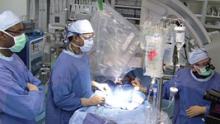
July 17, 2012 — Panasonic announced a new 3-D medical-grade 32-inch class monitor, the EJ-MDA32U-K. The new 3-D monitor is fully compliant with medical equipment standards, delivers exceptional 2-D and 3-D image quality, and can display multiple images from various sources at once. These combined features, paired with Panasonic’s renowned reliability, make the new monitor ideal for use in the surgical bubble.

July 17, 2012 — New analysis from Frost & Sullivan, “European Data Storage Market in Healthcare,” finds that the market earned revenues of $1,011.4 million in 2010 and estimates this to reach $2,473 million in 2017. The research covers hospital IT, research and imaging segments.

July 17, 2012 — Arterial Remodeling Technologies (ART) reported that they have achieved a medical milestone with its Arterial Remodeling Transient DIsmantling Vascular Angioplasty (ARTDIVA) clinical trial: The successful first-in-human implantation of its novel biodegradable stent into an 61-year-old male who was suffering from a blocked coronary artery and needed a percutaneous coronary intervention (PCI).


As the average age of the U.S. population and the number of patients at high risk for cardiovascular disease increase, the usage of cardio and endovascular stents continues to grow. Interventional cardiologists and registered nurses in the U.S. were recently asked about their perceptions and attitudes regarding current percutaneous coronary interventional (PCI) procedures and devices. They were also asked their stent brand and drug type preferences. In a statistically significant survey, they divulged which procedures and manufactures they preferred. This window into micro level stent usage offers informed insights into the overall market and reveals how dynamics between medical organizations and device manufacturers contribute to market trends.


Subscribe Now