May 15, 2008 - McKesson acquired Vivalog, a provider of Web-based solutions, taking control of the MyPACS.net medical imaging reference site that enables radiologists, cardiologists and other imaging specialists to organize and share image and reference case information needed during daily practice.


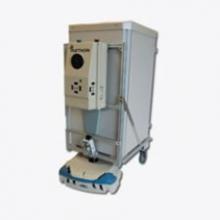
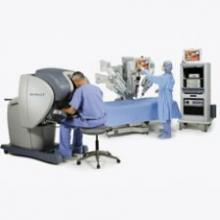
The healthcare industry has increasingly integrated the use of robots into many areas of medicine. In intensive care units (ICUs) and operating rooms (ORs), doctors are working with robots hand-in-hand— literally.


Efforts to reduce discovery-to-balloon (d-to-b) and door-to-balloon times is sweeping the country as hospitals put in place new protocols and strengthen their ties with local emergency medical service personnel.
Ideally, patients stricken with ST-segment elevation myocardial infarction (STEMI) should receive a clot-busting drug like TPA (tissue plasminogen activator) within 30 minutes of onset of symptoms or undergo a balloon angioplasty within 90 minutes. Unfortunately, few hospitals have yet to achieve those optimum times. But they are getting better.


Atrial fibrillation (AF) affects more than 3.5 million Americans and is a major source of strokes and a precursor to potentially fatal deterioration of the heart. Although physicians in the last decade have treated the condition with radiofrequency ablation, overall success rates have been limited.


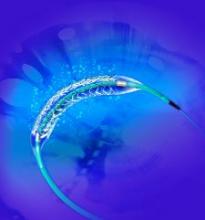
As new drug-eluting stents (DES) receive premarket approval (PMA) from the FDA, despite an abrupt downturn in the market, competition among platforms is expected to heat up. DES use will be further bolstered by positive reports on percutaneous coronary implant (PCI) procedures from the ARRIVE, SPIRIT II, COURAGE and CREATE clinical trials.
But do these new developments mean that concerns over late-stent thrombosis have been forgotten? Or will looming doubts stagger renewed adoption of DES in the clinical setting?
DES Market Swings


The most “wired” cardiology departments integrate IT systems, leverage data tracking and patient monitoring solutions, optimize data and image management for improved workflow, consult evidence-based medicine and plan for future enhancements to their infrastructure.


Many formerly invasive diagnostic and interventional cardiology procedures have migrated to less invasive or percutaneous options. The subsequent rise in cath lab procedures has increased the need for alternatives to manual compression that promote hemostasis at the access site, allowing for quicker patient ambulation and throughput.


The Vivid 7 Dimension is an extraordinary cardiovascular ultrasound system built on a robust platform that empowers medical practitioners to utilize a diverse set of quantitative tools for increasing clinical confidence.

May 14, 2008 - Cook Medical today launched the EVOLUTION-Shortie Mechanical Dilator Sheath Set, a tool for venous entry during cardiac lead extraction procedures, an extension of the company’s EVOLUTION mechanical extraction sheath technology.

May 14, 2008 - Siemens Healthcare will extend its strategic alliance with Biosense Webster by opening up the ACUSON AcuNav ultrasound catheter for use on third party ultrasound systems, as Siemens aims to make the ACUSON AcuNav technology a standard of care in electrophysiology and interventional cardiology.

Subscribe Now