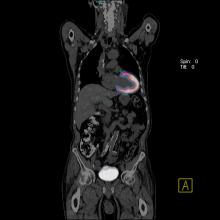
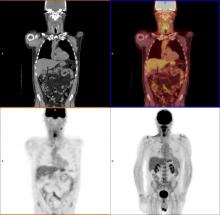
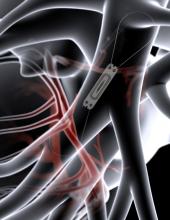
May 12, 2016 — Collaboration between two National Institute of Biomedical Imaging and Bioengineering (NIBIB)-funded labs has revealed a promising new method for identifying atherosclerotic plaques. These encased deposits in arteries restrict blood flow and can lead to heart attack or stroke.


Healthcare organizations, clinicians and medical equipment manufacturers have long focused on the management and reduction of radiation dose. With the increased availability of and reliance on high-dose imaging modalities for rapid and comprehensive diagnosis and treatment, the need for better radiation dose management has only increased. Addressing this issue will require an organized and coordinated effort from many within the medical industry, regulatory agencies and professional associations, medical professionals and the patients themselves.


FIME Medical Device Show

FIME is a trade exhibition for medical equipment, products, services and technologies and is held annually at Miami Beach Convention Center. It offers everything from hospital equipment to medical disposable products, nursing care, surgery instruments, diagnostic tools, equipment for emergency rooms and laboratory facilities, long-term care products, dental equipment, products for rehabilitation and orthopedics, electro-medical devices, medical services up to the pharmacy and much more.

Echocardiography Symposium

Sposnored by Baptist Health South Florida

Patients with Wolff-Parkinson-White syndrome who receive catheter ablation to cure their abnormal heart rhythms are just as likely as non-ablated patients to develop atrial fibrillation no matter what age they receive ablation, according to a new study.


Cardio-oncology is an emerging field that combines the expertise of both cardiology and oncology to assess and treat cancer patients for the second leading cause of death among cancer survivors — cardiovascular disease brought on by their treatments. Specific types of chemotherapy and chest-directed radiation therapy are known to cause cardiac dysfunction, mainly due to cardiotoxicity — the symptoms of which may not present until months or even years after cancer treatment. 


Medtronic plc recently announced it received U.S. Food and Drug Administration (FDA) approval for the first and only magnetic resonance imaging (MRI)-conditional cardiac resynchronization therapy defibrillators (CRT-Ds) for the treatment of heart failure.

Imricor Medical Systems announced enrollment of the first patients in a clinical study to evaluate the Vision-MR Ablation Catheter for the treatment of atrial flutter under real-time magnetic resonance imaging (MRI) guidance.

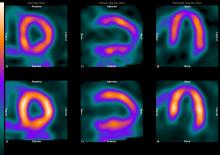
May 10, 2016 — Cardiovascular magnetic resonance (CMR) is a stronger predictor of risk for major adverse cardiovascular events (MACE) than single-photon emission computed tomography (SPECT) at five years follow-up. The findings are published in Annals of Internal Medicine.

Subscribe Now