

News
February 21, 2011 – Two drug-eluting coronary stent systems have been launched in India. Boston Scientific’s Promus Element everolimus-eluting stent system and Taxus Element paclitaxel-eluting coronary stent system incorporate the same novel platinum chromium (PtCr) alloy. They also have the same stent design and advanced catheter delivery system.
 February 21, 2011
News
February 21, 2011 – The first patient has been enrolled the DESSOLVE II study to support CE mark for a coronary stent that uses a bioresorbable drug polymer. The MiStent drug-eluting coronary stent system (MiStent DES), by Micell Technologies.
February 21, 2011
News
February 21, 2011 – The U.S. Food and Drug Administration has approved an endoprosthesis device for use on a lower profile delivery system. The Gore Viabahn Endoprosthesis with Heparin Bioactive Surface, from W.L. Gore and Associates, is designed to percutaneously treat peripheral artery disease by relining the native vessel.
February 21, 2011Sponsored Content

Feature | Nuclear Imaging
Cardiac PET/CT represents a major advancement in cardiovascular diagnostics, offering significant clinical and ...
November 12, 2025
Feature | David Smith, M.D.
In the world of endovascular devices, the rule is no longer one size fits all. The recent increase in the variety of stents for percutaneous coronary intervention (PCI) offers the physician of a patient with coronary artery disease (CAD) the ability to tailor treatment to the individual, rather than tailor the patient to the therapy.
February 21, 2011
Feature | Dave Fornell
Recent advances in electrocardiogram (ECG) stress testing systems include better waveform analysis algorithms, improved connectivity with electronic medical records and wireless lead systems to untether patients from the machines. In addition, Web-based software and ECG management systems are making it possible to access ECG stress reports and waveforms from anywhere at any time.
February 21, 2011
Feature | Dave Fornell
Computed tomography (CT) offers a very important, noninvasive diagnostic tool, but the price of high image quality sometimes comes with a cost of high radiation dose. This is especially true of CT angiography (CTA), which may require imaging several cardiac cycles.
February 21, 2011Sponsored Content
Feature
SPONSORED CONTENT — Studycast is a comprehensive imaging workflow system that allows healthcare professionals to work ...
June 17, 2025
Technology
February 18, 2011 – A zero-footprint mobile application that enables remote access to imaging tools from hand-held mobile devices, as well as Macintosh- or Windows-based PCs is on display at the Health Information Management Systems Society (HIMSS) 2011 Annual Conference and Exhibition.
February 18, 2011
Technology
February 18, 2011 – The U.S. Food and Drug Administration (FDA) cleared an ultrasound software tool to measure the thickness of the intima-media layers of the carotid artery to evaluate asymptomatic patients' risk of developing cardiovascular disease. Auto-IMT, from Toshiba, is now available on the Aplio XG, Aplio MX and Xario XG ultrasound systems.
February 18, 2011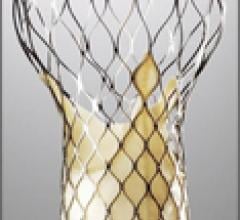
News
February 18, 2011 – An independent study in the journal Circulation confirmed the early and sustained clinical benefits for a system treating aortic valve disease.
February 18, 2011Sponsored Content

Feature | Information Technology
Providing exceptional cardiovascular care for patients to achieve the best possible outcomes is the number one goal for ...
March 21, 2024
Feature | Dave Fornell
Clopidogrel (Plavix) has been the standard antiplatelet therapy for a decade, but it is now facing challenges with the fact that one-third of patients do not respond to the agent and new drugs offer alternatives.
February 18, 2011
Feature | Dave Fornell
Healthcare IT vendors offer a variety of cardiovascular information systems (CVIS), picture archiving and communications systems (PACS), imaging and diagnostic hardware they say will integrate into a seamless electronic medical record. However, end-users still complain this level of interoperability does not exist.
February 17, 2011
Feature
Warren Hospital, an acute care community hospital serving Warren and Hunterdon counties in rural New Jersey, supports 214 patient beds and 140,000 outpatient visits per year.
February 17, 2011Sponsored Content

Feature | Cardiac Imaging
Cardiac positron emission tomography (PET) is growing in popularity among cardiologists because it provides the ability ...
March 05, 2024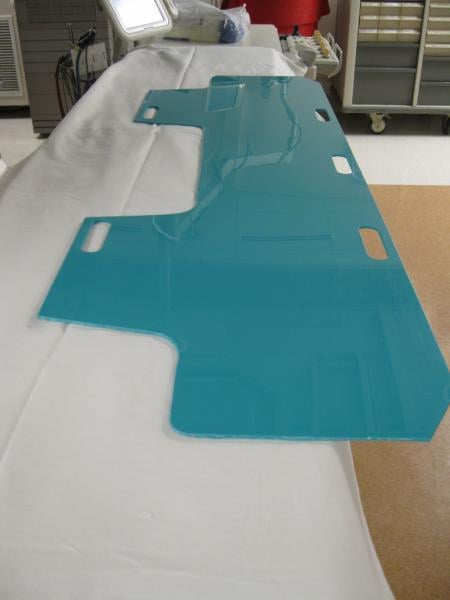
Feature | Radial Access | Bernadette Speiser
The femoral artery approach for cardiac catheterizations has been used as the gold-standard in the United States, but there is growing interest in the transradial approach. One of the main advantages of radial access is increased safety with fewer bleeding complications.
February 17, 2011
Feature | Dave Fornell
As healthcare marches toward completely wireless electronic medical records, Diagnostic and Interventional Cardiology will periodically highlight how cardiac departments around the country are working toward this goal.
February 17, 2011Feature | Dave Fornell
Based on my observations and the devices that caught the eye of the doctors on the Diagnostic & Interventional Cardiology Editorial Advisory Board, we created the following predictions of what will be hot trends to watch in 2011.
February 17, 2011