

Feature
Data from a national registry developed to track patient safety and real-world outcomes finds that the initial use of transcatheter aortic valve replacement (TAVR) for treatment of aortic stenosis in high surgical risk and inoperable patients in the United States is safe and effective.
 November 21, 2013

Technology
AliveCor Inc. launched a mobile heart health service, offering expert reviews of electrocardiograms (ECGs) recorded through their smartphone application.
November 21, 2013
News
One of the biggest complaints patients have with MR imaging is the loud acoustic noise. The sound produced by the powerful gradients makes patients uncomfortable. This discomfort results in longer exams and sometimes poor image quality because patients can’t stay still. Toshiba America Medical Systems, Inc. is helping clinicians improve the MR experience with its Pianissimo technology.
November 21, 2013Sponsored Content

Feature | Nuclear Imaging
Cardiac PET/CT represents a major advancement in cardiovascular diagnostics, offering significant clinical and ...
November 12, 2025
News
The RSNA FastPass is produced by Imaging Technology News (ITN) as a guide to what vendors are highlighting. It helps attendees better navigate the vast technical exhibit floor to find what they are looking for.
November 21, 2013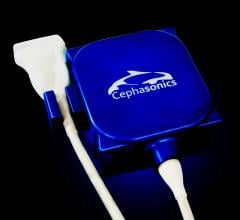
Technology
Cephasonics introduced the small, 2-pound cQuest Dragonfly family of modular 32- or 64-channel, high-performance ultrasound systems, which, along with the included cQLink network communications technology, it will showcase at Medica 2013 Nov. 20-23 in Dusseldorf, Germany.
November 20, 2013
Technology
Eizo Inc. announced the release of the RadiForce RX650, a 30-inch color LCD monitor ideal for multi-modality applications.
November 20, 2013Sponsored Content
Feature
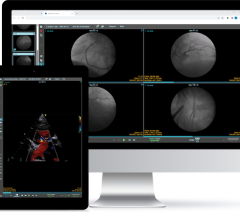
SPONSORED CONTENT — Studycast is a comprehensive imaging workflow system that allows healthcare professionals to work ...
June 17, 2025
Feature
A multidisciplinary team of experts in heart failure, cardiac arrhythmia and neurosurgery at Mount Sinai Hospital in New York City are testing nerve stimulation in the neck as a therapy for heart failure patients to potentially help relieve their debilitating symptoms of fatigue, shortness of breath and heart arrhythmias while reducing their hospitalizations.
November 20, 2013Feature
The 2014 Top 10 Health Technology Hazards list raises awareness of the potential dangers associated with the use of medical devices and helps healthcare providers minimize the risk of technology-related adverse events.
November 20, 2013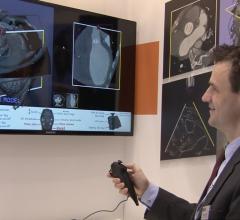
News
Video game technology is being applied to imaging by German researchers, who will be presenting their findings at RSNA 2013. Xbox in the operating room and the use of video game controllers in visualizing organs and tumors, an ultra-sensitive MRI technology for early detection of cancer and a one-stop stroke management technology are among advances coming from scientists affiliated with the German Federal Ministry for Education and Research (BMBF):
November 20, 2013Sponsored Content

Feature | Information Technology
Providing exceptional cardiovascular care for patients to achieve the best possible outcomes is the number one goal for ...
March 21, 2024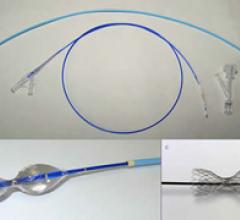
News
Neovasc Inc. reported the results from its COSIRA (coronary sinus reducer for treatment of refractory angina) trial assessing the efficacy and safety of the Neovasc Reducer, a percutaneous device for the treatment of refractory angina.
November 20, 2013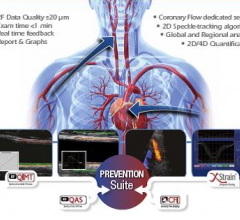
News
Esaote will showcase Prevention Suite, a unique package of ultrasound imaging modalities for both cardiac and vascular investigations at the EuroEcho-Imaging 2013 conference Dec. 11-14 in Istanbul, Turkey.
November 19, 2013
Feature | Dave Fornell
The use of renal stenting in combination with medication-based therapy to treat hypertension showed no improvement in patient outcomes over the use of medications alone in treating hypertension. The results from the highly-anticipated CORAL trial were presented at the American Heart Assn. (AHA) 2013 Scientific Sessions in Dallas.
November 19, 2013Sponsored Content

Feature | Cardiac Imaging
Cardiac positron emission tomography (PET) is growing in popularity among cardiologists because it provides the ability ...
March 05, 2024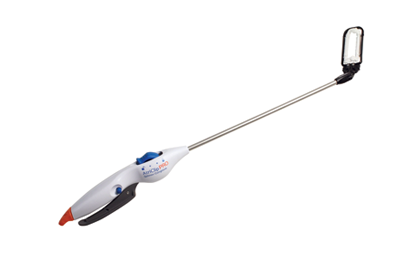
Feature
AtriCure Inc., a developer of solutions to treat atrial fibrillation, announced the U.S. Food and Drug Administration’s (FDA’s) approval to begin enrollment in a clinical study of AtriCure’s AtriClip Left Atrial Appendage Exclusion System.
November 19, 2013
News
Five global MRI manufacturers—in the United States, Europe and Asia—have selected ContextVision’s GOPView MRI2Plus to upgrade their MRI equipment. Today’s healthcare industry requires improved efficiencies without sacrificing patient safety. As radiologists around the world review an increasing number of MRI images every day, image quality is key.
November 19, 2013
Feature | Dave Fornell
Fractional flow reserve (FFR) is considered the gold standard in determining the hemodynamic significance of coronary lesions, but its use remains low. Two new technologies may help increase its use.
November 18, 2013