

Feature | Dave Fornell
Over the last 10 years, hospitals have phased out analog image intensifiers for flat-panel, digital detector angiography systems in their cath labs. As hospitals look to purchase current-generation digital angiography systems, buyers should be aware of several new technologies. Better Navigation Aids
 March 18, 2011
Feature | Dave Fornell
In January the U.S. Food and Drug Administration (FDA) approved a big modifcation to the CoreValve U.S. pivotal clinical trial — eliminating the medical management arm of the study.
March 18, 2011Feature | Dennis Sarabi, M.D., Ph.D., FACC
Computed tomography (CT) technology has developed tremendously in the past 30 years. Significant improvements in spatial and temporal resolution of current scanners allow for acquisition of high-resolution images of the small and fast-moving coronary arteries.
March 18, 2011Sponsored Content
Feature | Thrombectomy Devices
Venous thromboembolism (VTE), and pulmonary embolism (PE) in particular, are among the most complex and dangerous acute ...
June 01, 2026
News
March 18, 2011 – A clinical trial testing a robotic system to remotely deliver and manipulating coronary guide wires has begun. The PRECISE study is testing the CorPath 200 System, from Corindus Vascular Robotics.
March 18, 2011News
March 18, 2011 – Researchers have found a link between high blood pressure and a greater drop in average walking speeds in older adults, according to results from a new study. The drop seems to occur even in study participants whose high blood pressure is successfully treated.
March 18, 2011News
March 18, 2011 – Circulating through the bloodstream of every human being is a rare and powerful type of cell, one that can actually create new blood vessels to bypass blockages that cause heart attacks and peripheral artery disease (PAD). Though everyone has these cells – called endothelial progenitor cells – they are often dysfunctional in people prone to vascular disease.
March 18, 2011Sponsored Content

Feature | Cardiac Imaging
Sponsored Content — According to the American Heart Association, cardiovascular disease is the leading cause of death in ...
March 13, 2026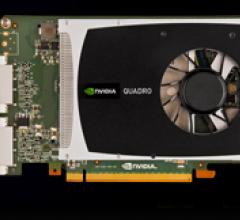
Technology
March 15, 2011 – A new graphics solution has been launched for use in professional medical imaging environments to help improve the accuracy and timeliness of patient diagnosis. The NVIDIA Quadro 2000D provides key diagnostic display capabilities and application performance that hospitals and clinics need to effectively interpret and manage high-resolution patient imagery.
March 15, 2011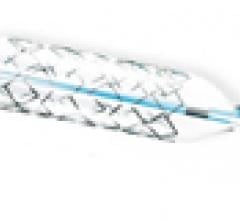
News
March 15, 2011 – A new chromium cobalt stent has received the CE mark market clearance in Europe. The Azule cobalt chromium stent, from OrbusNeich, combines the stent design of the its predecessor, the Blazer, with a delivery system with enhanced crossability and flexible deliverability.
March 15, 2011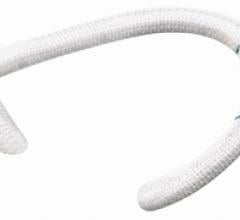
Technology
March 15, 2011 – A new tricuspid ring for the treatment of tricuspid valve disease is approved for use in the United States, Europe and several other countries. The Contour 3D Annuloplasty Ring, from Medtronic is designed to restore normal valve function by remodeling the natural valve’s shape and size.
March 15, 2011Sponsored Content

Feature | Nuclear Imaging
Cardiac PET/CT represents a major advancement in cardiovascular diagnostics, offering significant clinical and ...
November 12, 2025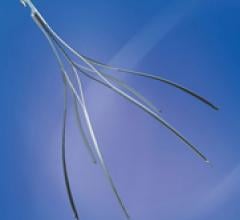
News
March 15, 2011 – Argon Medical Devices has entered into a definitive license agreement with Rex Medical, for exclusive global rights to market and distribute the Option Retrievable Inferior Vena Cava (IVC) Filter. The filter is an implantable device used in the prevention of pulmonary embolism (PE).
March 15, 2011Feature | Jim Katzaroff
Much of nuclear imaging depends on a steady supply of an isotope called molybdenum-99 (Mo-99). A byproduct of nuclear fission, Mo-99 is used to produce another radioactive substance, technetium-99m, which is employed in more than 16 million nuclear imaging procedures every year in the United States alone.
March 15, 2011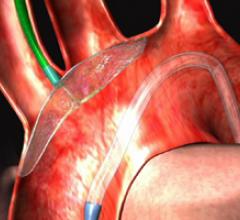
News
March 14, 2011 – Expanding its transcatheter valve accessories with the addition of an aortic embolic protection device, Edwards Lifesciences Corp. completed the acquisition of Embrella Cardiovascular Inc. The company developed the Embrella Embolic Deflector System, which can be used during transcatheter heart valve procedures. The purchase price was about $43 million cash.
March 14, 2011Sponsored Content
Feature
SPONSORED CONTENT — Studycast is a comprehensive imaging workflow system that allows healthcare professionals to work ...
June 17, 2025
News
March 14, 2011 – Doctors at Beaumont Hospital in Troy, Mich., have performed the state’s first minimally invasive robotic procedure to correct atrial fibrillation. The new robotic maze procedure is an alternative to open-heart surgery. It's performed through tiny, keyhole incisions with fewer complications and a shorter hospital stay.
March 14, 2011
News
March 14, 2011 – Sorin Group has reached a major milestone with the 100,000th MitroFlow Aortic Pericardial Heart Valve implantation worldwide.
March 14, 2011
Technology
March 14, 2011 – A software system that manages patient itineraries has expanded into the cardiology and transport departments. Allocade’s On-Cue Expert Software System and enhancements for the On-Cue Dynamic Patient Itinerary information were demonstrated at the Healthcare Information and Management Systems Society (HIMSS) 2011 conference.
March 14, 2011