When a power outage occurs, MRI equipment can be damaged and accuracy of the scans effected. To mitigate the effects of power interruptions, healthcare facilities have traditionally relied on the lead-acid batteries of uninterruptible power supplies (UPSs) to provide backup power. However, batteries are notorious for their reliability issues, large footprint and frequent maintenance and replacement.


Today’s healthcare is changing in many ways and so are the processes, technology and people delivering the extremely complex cardiology procedures and services. There are multiple biomedical and technical advances that are proving to optimize patient care. With declining budgets and reimbursements, healthcare providers are under increasing pressure to develop effective ways of improving efficiency and reducing costs, while maintaining high levels of patient care. 


Cardiovascular Systems Inc. (CSI) has presented 30-day results from its ORBIT II study of coronary artery disease. ORBIT II is evaluating the safety and effectiveness of the company’s orbital atherectomy technology in treating patients with severely calcified coronary lesions. This is the first Investigational Device Exemption study to evaluate this problematic subset of patients. CSI completed ORBIT II enrollment of 443 patients at 49 U.S. medical centers in November 2012 and submitted its Premarket Approval application to the U.S. Food and Drug Administration (FDA) on March 15, 2013.


Transradial coronary artery angiography was a major focus at the Society for Cardiovascular Angiography Interventions (SCAI) 2013 Scientific Sessions May 8-11 in Orlando, Fla. The meeting kicked-off with a dedicated symposium covering topics such as access, radiation exposure and complications.


Philips Healthcare announced that CX50 xMatrix, the first portable ultrasound with Philips' Live 3-D  transesophageal echo (TEE), now offers 2-D intracardiac echo (ICE) capability. The CX50 xMatrix with available Live 3-D TEE and ICE was first shown in Paris at the EuroPCR in May.


The Lotus Valve, a second-generation transcatheter aortic valve implantation (TAVI) device, was successfully implanted in all of the first 60 patients in results from REPRISE II, which showed good device performance and low mortality at 30 days.

The U.S. District Court for the District of New Jersey approved an agreement under which Vascular Solutions Inc. will cease further manufacture, sales and distribution of its R-Band Radial Hemostasis Device, pending litigation of Terumo Medical's patent infringement claims.

Direct Flow Medical Inc. said it met its primary endpoint in the fully-enrolled, 100-patient DISCOVER CE mark trial by achieving 99 percent freedom from all-cause mortality at 30 days. Patients were treated with the Direct Flow Medical Transcatheter Aortic Valve System and demonstrated excellent results relative to overall patient hemodynamics, as well as the avoidance of post-procedural aortic regurgitation and adverse events. The DISCOVER Trial full 30-day outcomes were presented today by trial investigator Joachim Schofer, M.D., from the Medical Care Center, Hamburg, Germany.

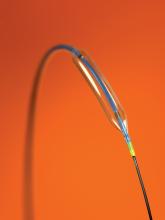
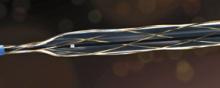
Abbott announced CE mark in Europe for the Xience Xpedition 48 Everolimus Eluting Coronary Stent System, the first-of-its-kind treatment for very long blockages in the vessels that supply blood to the heart due to coronary artery disease (CAD). 

Subscribe Now