The next generation of positron emission tomography (PET) imaging agents will herald an age when PET will eclipse single photon emission computed tomography (SPECT) as the “go to” modality for molecular imaging. It will do so by enabling personalized medicine through precision diagnostics, the ability to be delivered cost-effectively in a manner with less radiation to patients, by leveraging hardware advances already being commercialized, and by taking advantage of the extra throughput capacity present in the U.S. installed base of PET/CT scanners.


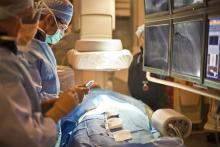
Toshiba America Medical Systems Inc. offers electrophysiology (EP) clinicians an Infinix-i cardiovascular X-ray system tailored for EP procedures with a new package of features, accessories and technologies. This package maximizes room utilization, improves workflow and enhances safety.


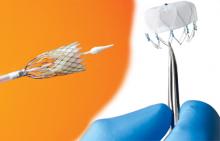
The first patient tests of a new leadless pacemaker show that the device can deliver the same life-saving therapy as a traditional single-chamber pacemaker without potential lead-related complications. The findings are part of the LEADLESS trial and were released at Heart Rhythm 2013, the Heart Rhythm Society’s 34th Annual Scientific Sessions.


Wearable cardioverter defibrillators (WCD) can be an effective therapy option for patients with a transient or undefined arrhythmic risk, according to the WEARIT-II Registry, the largest prospective study to track patients with the device in a real-world setting. The new findings show that WCDs can serve as a bridging therapy and help avoid unnecessary permanent implantation of defibrillators in patients who ultimately may not need them.

Biotronik announced the U.S. Food and Drug Administration (FDA) granted approval for its Ilesto 7 implantable cardioverter-defibrillator/cardiac resynchronization therapy defibrillator (ICD/CRT-D) series. The devices are smaller, thinner and lighter than previous systems.

The American Society of Nuclear Cardiology (ASNC) testified at a U.S. House Ways and Means Health Subcommittee hearing that examined options for repealing the sustainable growth rate (SGR) formula and reforming the Medicare physician payment system to reward quality and value in patient care. Kim Allan Williams, M.D., ASNC past-president and a current member of the society’s health policy steering committee, testified as a witness in the hearing on May 7, 2013. Williams currently serves as the Dorothy Susan Timmis endowed professor and chairman of the division of cardiology at Wayne State University School of Medicine.


During the American College of Cardiology 2013 (ACC.13) annual meeting in March, vendors discussed several trends they are observing in the cardiac ultrasound market and displayed the latest echo advances.


The development of 3-D transesophageal echo (TEE) just a few years ago has enabled a new generation of interventional procedures to be performed, which otherwise would have been extremely difficult or impossible. With live 3-D TEE, physicians can see cardiac structures and function, as well as real-time displays of the beating heart, from new perspectives. 


The Aspirus Heart & Vascular Institute (AH&VI) services 14 counties in north central Wisconsin and an additional seven counties in the Upper Peninsula of Michigan.  The institute receives patients from five hospitals within its system and approximately 10 other hospitals from within this service area. With such a large, mostly rural population — patients come from as far away as 80 miles or more — the organization needed to find a way to more efficiently serve its ST-elevation myocardial infarction (STEMI) and heart valve repair patients. 


Subscribe Now