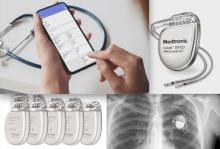
A few weeks ago, a patient of mine experienced a cardiac event — his heart stopped. Completely. However, his implantable cardioverter defibrillator (ICD) did exactly what it was designed to do — it shocked him and it saved his life. There was just one problem, my patient had no idea that his heart had stopped or that he had been shocked because he was asleep. 


March 17, 2021 — Around 50% of patients who have been hospitalized with severe COVID-19 (SARS-CoV-2) and have damage to their hearts with elevated troponin levels and ischemia and coronary blocks shown on imaging.

After covering cardiovascular technologies for 14 years, it is rare that I find a new technology that might actually be a paradigm shift in cardiology. Most new devices I see are just refined iterations of existing devices, or the vendor added a new button or set of measurement tools. However, I do occasionally find a true gem while sitting in on hours of new technology sessions at conferences, or while wandering the expo floors. 


Heart failure (HF) is a prevalent yet silent epidemic, affecting 26 million people and costing global healthcare systems an estimated $65 billion every year. While heart attacks are often sudden and can be symptomatic, heart failure is often considered a silent killer as it can build silently over time and treatment is often delayed to when the systolic burden has been compromised beyond reprieve.


The first devices developed for interventional cardiology were percutaneous transluminal coronary angioplasty (PTCA) balloon catheters to reopen coronary arteries. Forty years later, they remain a primary workhorse device in percutaneous coronary interventions (PCI). While stents have taken the limelight in terms of the primary focus in PCI, balloons are still the method used to initially revascularize the vessel and to expend the stents into position.


March 12, 2021 — Since early in the pandemic, COVID-19 has been associated with heart problems, including reduced ability to pump blood and abnormal heart rhythms. But it has been an open question whether these problems are caused by the virus infecting the heart, or an inflammatory response to viral infection elsewhere in the body. Such details have implications for understanding how best to treat coronavirus infections that affect the heart.


March 12, 2021 — Philips Healthcare announced the final, five-year results of two major randomized controlled trials (RCTs) that show no difference in all-cause mortality between patients treated with the Stellarex drug-coated balloon (DCB) and those treated with percutaneous angioplasty (PTA), the current standard of care. Moreover, the studies showed no difference in mortality between the Stellarex DCB and PTA at every 12-month endpoint over the course of the study.

March 12, 2021 — A new review suggests that blood vessel damage and impaired oxygen delivery related to COVID-19 play a role in mood changes and cognitive difficulties that people with the disease face during illness and recovery. The review was published in Physiological Reports in February.[1] The article offers insights into the reason why some ling-hauler COVID patients have persistent symptoms months after their infections.

March 12, 2021 — Cardinal Health today announced that it is selling its Cordis cardiology and endovascular business to Hellman & Friedman (H&F) for approximately $1 billion. 


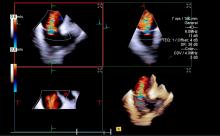
Intra-cardiac Echocardiography (ICE) uses catheter-based cardiac ultrasound array to image anatomy and devices inside the heart to help guide procedures.


Subscribe Now