
March 23, 2017 — Biotronik announced the European launch of the Edora series, its smallest series of pacemakers and cardiac resynchronization therapy pacemakers (CRT-Ps). The new devices are equipped with features geared towards improving patient safety, therapy and comfort.

March 23, 2017 — In patients at elevated risk for a recurrence of potentially life- threatening blood clots, a low dose of the oral blood-thinning medication rivaroxaban reduced recurrences more than three-fold compared with aspirin, with no significant increase in bleeding side effects. These findings came from the EINSTEIN CHOICE Trial presented at the American College of Cardiology’s 66th Annual Scientific Session, March 17-19 in Washington, D.C.


March 22, 2017 — A quarter of the patients in a single-center study of 84 patients undergoing transcatheter aortic valve replacement (TAVR) developed new cerebral microbleeds. The late-breaking study was presented at the at the American College of Cardiology (ACC) 2017 meeting. 

Reseachers said brain microbleeds increase with age and are associated with cognitive decline, but there was concern TAVR might increase in incidence of these bleeds. The study used magnetic resonance imaging (MRI) scans of the brain and cognitive tests to determine the impact of TAVR.


In a clinical program that was terminated early, the experimental PCSK9 inhibitor bococizumab, when given on top of effective statin therapy, had widely varying effects on LDL cholesterol levels and had no benefit on cardiovascular events among those with LDL lower than 100 mg/dL. However, in patients at high cardiovascular risk who had baseline LDL of greater than 100 mg/dL, bococizumab significantly reduced the risk of cardiovascular events by 21 percent compared with placebo, according to research presented at the American College of Cardiology’s 66th Annual Scientific Session, March 17-19 in Washington, D.C.


March 22, 2017 — Patients with recurrent fainting episodes (syncope) who received a pacemaker delivering a pacing program designed to detect and stop the abnormal heart rhythms that precede syncope, had a seven-fold reduction in syncope compared with patients in a placebo pacing group. These were the findings of the SPAIN trial, presented at the American College of Cardiology (ACC) 2017 Annual Scientific Session. 


March 22, 2017 — Two U.S. Food and Drug Administration (FDA)-cleared embolic protection systems designed to remove debris particles from the bloodstream during aortic valve replacement surgery, did not significantly reduce overall number of brain infarcts over standard surgical procedure, according to a late-breaking study presented at the American College of Cardiology (ACC) 2017 Annual Scientific Session. 


Aegis Medical Innovations Inc. announced that it has received Investigational Device Exemption approval from the U.S. Food and Drug Administration (FDA) to initiate a clinical trial in the U.S. for its Sierra Ligation System medical device. Aegis developed the Sierra technology in partnership with the Mayo Clinic in Rochester, Minn. Sierra could, with additional clinical research, prove to prevent stroke in patients with atrial fibrillation (AF), according to the company.


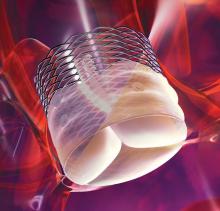
March 22, 2017 – The U.S. Food and Drug Administration (FDA) and granted market clearance to the Medtronic CoreValve Evolut Pro transcatheter aortic valve replacement (TAVR) device. It is indicated for the treatment of severe aortic stenosis for symptomatic patients who are at high or extreme risk for open heart surgery. 


March 21, 2017 — Toshiba Medical demonstrated its Forward projected model-based Iterative Reconstruction SoluTion (FIRST) for cardiac exams at this year’s American College of Cardiology (ACC) 2017 annual meeting, March 17-19 in Washington, D.C.

March 21, 2017 — EchoPixel recently announced progress in the clinical adoption of its True 3D virtual reality software in pediatric surgical procedures. At several leading clinical sites, the company said surgeons and radiologists are adopting True 3D powered by HP to develop surgical plans, effectively communicate in a common 3-D language, and assist in challenging procedures - including a 17-hour operation to separate conjoined twins.

Subscribe Now
