

Feature
Intensive Care Units around the world have been providing their patients with mechanical ventilation for the past 30 years, ever since the first electronic ventilator technology appeared in the early seventies. And ventilation therapy, irregardless of mode, has been delivered in the same manner — a clinician has regulated the pressures and volumes provided to the patient.
 October 05, 2006

Case Study
Our anesthesia department was searching for a more accurate means of assessing volume status and predicting the response to fluid administration in this patient population. This population can be very challenging during vascular, trauma orthopedic, thoracic, general surgical and obstetric procedures.
October 05, 2006
Feature | Kim Phelan
A nurse hangs another IV bag and prepares to hit the start button on the infusion pump — she’s entering 15 cc’s and as ...
October 05, 2006Sponsored Content

Feature | Nuclear Imaging
Cardiac PET/CT represents a major advancement in cardiovascular diagnostics, offering significant clinical and ...
November 12, 2025News
Abbott Vascular says it will begin launching its XIENCE V stent system immediately in most European countries, focusing ...
October 04, 2006News
A new procedure that delivers and places or repairs a heart valve through a catheter could soon become an alternative to open heart surgery for extremely high-risk patients.
October 04, 2006News
FDA has accepted ARIXTRA (fondaparinux sodium) Injection for priority review — the anticoagulant supplemental drug ...
October 04, 2006Sponsored Content
Feature
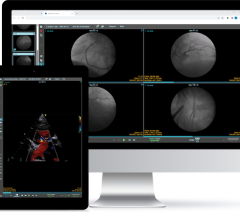
SPONSORED CONTENT — Studycast is a comprehensive imaging workflow system that allows healthcare professionals to work ...
June 17, 2025News
Clinical trials to study the efficacy of a novel cardiac viability imaging agent is now underway. FluoroPharma, Inc., an ...
October 04, 2006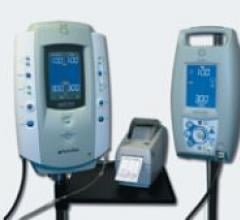
Technology
SmartPumps are tourniquet systems offering OR connectivity, superior performance, exceptional battery life and intuitive ...
October 03, 2006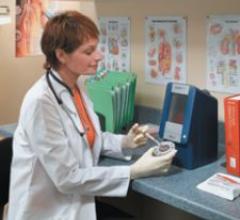
Case Study
The genesis of the Abaxis Piccolo technology began with NASA, where scientists sought to develop and manufacture a small ...
October 03, 2006Sponsored Content

Feature | Information Technology
Providing exceptional cardiovascular care for patients to achieve the best possible outcomes is the number one goal for ...
March 21, 2024News
A new study in Denmark links healthy teeth and gums with heart health. Theheart.org reports that Danish investigators ...
October 02, 2006News
Catheters of all types as well as other intravascular devices (IVDs) that allow access to the bloodstream are potential ...
October 02, 2006News
Public confidence in the FDA is low and big changes may be in order to fix the system for approving and regulating drugs ...
October 02, 2006Sponsored Content

Feature | Cardiac Imaging
Cardiac positron emission tomography (PET) is growing in popularity among cardiologists because it provides the ability ...
March 05, 2024News
A retrospective study at Northwestern University Feinberg School of Medicine, Chicago, showed that dialysis patients who ...
October 02, 2006News
FDA and Duke Clinical Research Institute will be working to develop a new generation of tools that enable early identification of potential cardiac side effects of drugs and devices. The agency will use a database comprising more than 200,000 ECGs to conduct the research.
October 01, 2006News
A new, private research group, the Center for Medical Technology Policy is being formed to provide healthcare clinicians ...
October 01, 2006