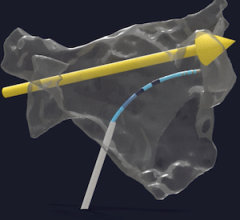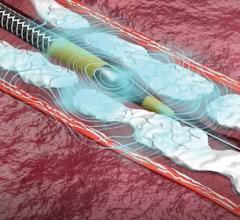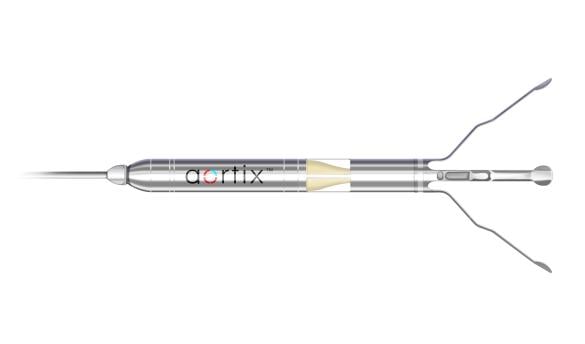
The Aortix intra-aortic axial flow pump offers hemodynamic support to relieve some of the heart’s workload, allowing the heart to recover while more effectively pushing blood flow to the kidneys.
June 7, 2021 – Cardiologists at Henry Ford Hospital are first in the U.S. and second in the world to implant a circulatory support device that is being investigated in a clinical trial for patients hospitalized with acute decompensated heart failure (ADHF) and worsening kidney function, a condition known as cardio-renal syndrome.
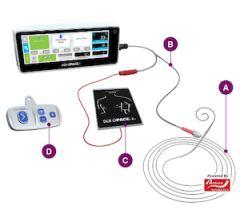
The Aortix System from Procyrion Inc. is an intra-aortic axial flow pump, which is deployed via a femoral catheter to the descending aorta to offer hemodynamic support. This tiny pump, thinner than the size of a #2 pencil, is designed to relieve some of the heart’s workload, allowing the heart to recover while more effectively pushing blood flow to the kidneys.
The heart pump is being evaluated in a multi-site clinical trial in the United States and Australia. Henry Ford is the only U.S. site involved in the trial.
“When a patient is suffering from ADHF, the amount of blood the heart pumps to the kidneys may be insufficient for the kidneys to work at full capacity,” said Gillian Grafton, D.O., an advanced heart failure and critical care cardiologist, and co-principal investigator of the trial at Henry Ford. “The kidneys are responsible for maintaining the fluid balance that keeps heart failure congestion in check. Heart failure by itself is a chronic and progressive condition, but the additional complication of reduced kidney function can significantly worsen a patient’s condition.”
When suffering from heart failure, the body may compensate for the heart’s weakened state in several ways. These can include the narrowing of blood vessels to keep blood pressure up, and diverting blood flow away from organs like the kidneys to supply more critical organs, such as the brain. Cardio-renal syndrome encompasses a spectrum of disorders involving both the heart and kidneys in which acute or chronic dysfunction in one organ may induce acute or chronic dysfunction in the other organ.
“Heart failure is a leading cause of morbidity, hospitalization and mortality in older adults,” said Cristina Tita, M.D., an advanced heart failure and transplant cardiologist, and co-principal investigator of the trial at Henry Ford. “Cardiorenal syndrome is associated with twice the mortality of heart failure without renal dysfunction, as well as increased length of stay and rehospitalization rates.”
According to the Centers for Disease Control and Prevention (CDC), heart failure affects approximately 6.2 million Americans. In 2018, heart failure was mentioned on 379,800 death certificates, which represents 13.4% of the total number of death certificates in the U.S. that year. Certain medical conditions can increase a person’s risk for heart failure, including coronary artery disease, diabetes, high blood pressure, obesity, valvular heart disease, and other conditions related to heart disease. Heart failure risk can also be increased by unhealthy behaviors and lifestyle factors, such as smoking; regularly eating foods high in fat, cholesterol, and sodium; not getting enough physical activity; and excessive alcohol intake.
To learn more about heart failure treatment at Henry Ford: henryford.com/services/advanced-heart-failure
Related Aortix Heart Failure Content:
3 New Approaches to Reduce Heart Failure Readmissions
Device Technologies to Reduce Heart Failure Readmissions
VIDEO: Advances in Interventional Heart Failure Hemodynamic Support
Reducing Economic Burden of Cardiorenal Syndrome With The Aortix Pump
VIDEO: Therapies for Advanced Heart Failure — Interview with David Lanfear M.D.
New Heart Failure Devices and Drugs to Treat Heart Failure
Procyrion Receives FDA Breakthrough Device Designation for Aortix System

 August 28, 2026