

Feature | Dave Fornell
Angiographic imaging system vendors have developed several new technologies to address emerging cath lab trends, including the need to reduce radiation dose, improve image quality and enable advanced procedural image guidance. All three of these points have become increasingly important as more complex procedures are attempted in interventional cardiology cath labs and hybrid ORs. These procedures include transcatheter aortic valve replacement (TAVR), mitral clip valve repairs, left atrial appendage (LAA) occlusions, atrial and ventricular septal defect closures, and new interventions for both electrophysiology (EP) and heart failure.
 September 03, 2014

Feature | Stents Bioresorbable | Dave Fornell
A key prediction for interventional cardiology coming out of recent Transcatheter Cardiovascular Therapeutics (TCT) and American College of Cardiology (ACC) meetings is that bioresorbable stents will eventually replace conventional metallic stents in the coming years. Experts say dissolving stents have their drawbacks compared to metallic stents, but as the technology continues to advance, these issues may be resolved. Even if they are not, experts say growing clinical data shows the benefits of bioresorbable stents may outweigh any drawbacks.
September 03, 2014News
As technology continues to advance for all diagnostic imaging modalities, it sometimes reminds me of a race between vendors to build a better mouse trap. The main issue between cardiac echo, computed tomography (CT), magnetic resonance imaging (MRI), nuclear (SPECT and PET) and invasive angiography is that each has its strengths and weaknesses.
September 03, 2014Sponsored Content

Feature | Nuclear Imaging
Cardiac PET/CT represents a major advancement in cardiovascular diagnostics, offering significant clinical and ...
November 12, 2025
News
In patients who experienced an acute coronary syndrome (ACS) event, use of the drug darapladib to inhibit the enzyme lipoprotein-associated phospholipase A2 did not reduce the risk of recurrent major coronary events.
September 03, 2014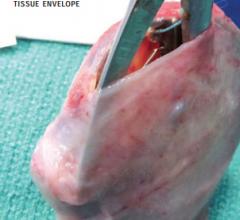
Technology
CorMatrix Cardiovascular announced that it has received U.S. Food and Drug Administration (FDA) clearance to market the CorMatrix CanGaroo ECM Envelope for use with cardiac implantable electronic devices (CIED’s) including pacemakers and implantable cardioverter defibrillators (ICD’s).
September 03, 2014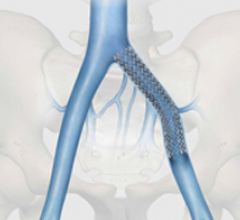
News
September 3, 2014 — Jobst Vascular Institute is conducting pioneering research that looks at using stents to treat blocked veins. The Cook Medical VIVO clinical research study aims to determine the safety and effectiveness of the Zilver vena venous self-expanding stent in the treatment of vein obstructions.
September 03, 2014Sponsored Content
Feature
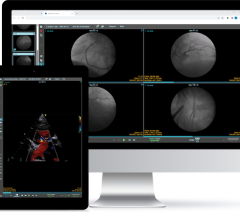
SPONSORED CONTENT — Studycast is a comprehensive imaging workflow system that allows healthcare professionals to work ...
June 17, 2025
News
September 3, 2014 — Teleflex announced a newly published clinical study demonstrating the accuracy of the Arrow VPS G4 vascular positioning system, with placements of peripherally inserted central catheters (PICCs), can eliminate the use of confirmatory chest X-rays.
September 03, 2014
Technology
The easy-to-use online resource mHealth Roadmap includes information on implementation guidelines for mobile and mHealth strategies and applications. Topics covered in the Healthcare Information and Management Systems Society (HIMSS) mHealth Roadmap include:
September 03, 2014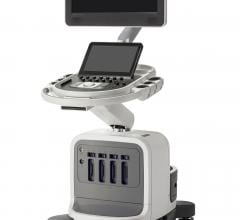
News
Philips has launched Affiniti. The new ultrasound system made its debut at the European Society of Cardiology (ESC) Congress 2014 in Barcelona.
September 02, 2014Sponsored Content

Feature | Information Technology
Providing exceptional cardiovascular care for patients to achieve the best possible outcomes is the number one goal for ...
March 21, 2024News
September 2, 2014 — Boston Scientific has released the primary endpoint results from its NEural Cardiac TherApy foR Heart Failure (NECTAR-HF) clinical trial, the first and only randomized sham-controlled clinical trial investigating vagus nerve stimulation (VNS) for the treatment of heart failure (HF) patients.
September 02, 2014
News
September 2, 2014 — Renal denervation reduces recurrent atrial fibrillation (AF) when performed with pulmonary vein isolation ablation in patients with AF and hypertension, according to research presented at the European Society of Cardiology (ESC) Congress by Alexander Romanov, M.D., from Russia.
September 02, 2014
News
Janssen Research & Development, LLC and its development partner, Bayer HealthCare, announced results from the X-VeRT trial, demonstrating once-daily rivaroxaban may be an alternative to vitamin K antagonists in treating and reducing the risk of blood clots in non-valvular atrial fibrillation patients undergoing elective cardioversion, a common medical procedure to reset the heartbeat back to a regular rhythm.
September 02, 2014Sponsored Content

Feature | Cardiac Imaging
Cardiac positron emission tomography (PET) is growing in popularity among cardiologists because it provides the ability ...
March 05, 2024
News
John Muir Health's Concord medical center is the first hospital in Northern California and one of just 20 hospitals in the nation to begin treating patients who suffer from atrial fibrillation (AFib), the most common type of heart arrhythmia, with a new procedure that features the FDA cleared FIRMap Catheter.
September 02, 2014
News
The high demand for qualified health IT professionals continues, as revealed in the 2014 HIMSS Workplace Study, conducted by HIMSS Analytics. The study shows more than 84 percent of survey respondents reported their organization hired at least one staff member in the past year, a finding consistent with the 2013 survey (86 percent). With hiring in 2014 expected to continue at the 2013 pace, 82 percent of survey respondents planned to hire at least one full-time employee (FTE) in the next 12 months, a slight increase from the 79 percent of respondents planning the same in 2013.
August 29, 2014
News
August 29, 2014 — Nuance Communications announced it has achieved an industry-first milestone in sharing 3 billion medical images through the Nuance PowerShare Network. This reflects steady growth of approximately 30 percent each year as the technology gains more widespread adoption in hospitals and facilities securely sharing patient medical images using the cloud.
August 29, 2014