Rising temperatures stemming from global climate change may increase the number of infants born with congenital heart defects (CHD) in the U.S. over the next two decades, according to new research in the Journal of the American Heart Association.1 This may also result in as many as 7,000 additional cases over an 11 year-period in eight representative states — Arkansas, Texas, California, Iowa, North Carolina, Georgia, New York and Utah.


January 30, 2019 — Updated atrial fibrillation (AFib) treatment guidelines released this week now recommend new oral anticoagulants (NOACs) as the preferred alternative to warfarin for reducing the risk of stroke.


In recent years, there has been a lot of focus by vendors on developing better stenting technologies to treat peripheral artery disease (PAD). Part of this has been fueled by the rising numbers of peripheral interventional procedures for PAD, critical limb ischemia (CLI, also called chronic limb-threatening ischemia) and limb salvage to prevent amputation. But new technology development also has been spurred by the need to reduce extremely high restenosis rates.


The U.S. Food and Drug Administration (FDA) has cleared the Magnetom Lumina 3 Tesla (3T) magnetic resonance imaging (MRI) scanner from Siemens Healthineers.

XableCath Inc., announced that its XableCath blunt and abrasion tip catheters were cleared by the U.S. Food and Drug Administration (FDA) as peripheral crossing catheters. The catheters have been safely and successfully used to cross challenging lesions in both arterial chronic total occlusions (CTOs) and chronic obstructive venous lesions. The recent crossing FDA clearance adds to the previous clearances for endovascular support.

Thubrikar Aortic Valve Inc. announced the first human implant of the Optimum TAV using their transcatheter aortic valve implantation (TAVI) system.

LivaNova PLC announced the publication of three separate studies highlighting the performance of its sutureless aortic valve, Perceval.


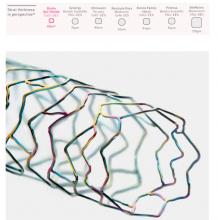
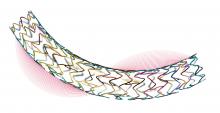
There was a lot of hype and high hopes pinned on bioresorbable stent technologies as the way of the future two years ago. But the Absorb stent was not able to match the performance or outcomes of the current standard-of-care metallic drug-eluting stents (DES). Since the Absorb was pulled off the market in 2017, vendors have refocused efforts on refining metallic DES. 


Subscribe Now