

Advancements in analytics and data visualizations are helping to streamline operations and improve productivity at cath labs across the country. Kootenai Health in Coeur d'Alene Idaho has a single cath lab performing more than 2,000 cases per year. Diane Penkert, executive director of heart and vascular services, discusses how the implementation of the Philips Performance Bridge analytics platform has enabled them to better leverage cardiovascular procedure data.
Videos
VIDEO: Leveraging Analytics and Data Visualization in the Cath Lab
Cath Lab | January 13, 2022
Advancements in analytics and data visualizations are helping to streamline operations and improve productivity at cath labs across the country. Kootenai Health in Coeur d'Alene Idaho has a single cath lab performing more than 2,000 cases per year. Diane Penkert, executive director of heart and vascular services, discusses how the implementation of the Philips Performance Bridge analytics platform has enabled them to better leverage cardiovascular procedure data.
Cath Lab
Radiation Dose Management | December 10, 2021
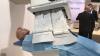
The vendor Radiaction introduced a new type of scatter radiation protection shielding system that mounts to the angiography system in the cath lab. It was shown for the first time at the 2021 Radiological Society of North America (RSNA) annual meeting.
The system uses a motorized series of tungsten-polymer radiation shield plates that extend down from the detector, and up from the X-ray source, to the patient and bottom of the table. This greatly reduces scatter radiation in the lab, by as much as 92% according to the company's research.
The shields are deployed using a table-side controller. The shield has sensors to stop extending when it comes close to the patient or the table. The shield can be partly pulled back to enable panning the table. The company said the shield can be mounted on existing angiography C-arms.
It has CE mark and is installed clinically in two cath labs in Israel. The company hopes to submit for U.S. FDA review in 2022.
Related Cath Lab Radiation Dose Reduction Content:
Defining the Cath Lab Workplace Radiation Safety Hazard
VIDEO: Minimizing X-ray Exposure to Physicians During Interventional Procedures With the ControlRad System — Interview with Dr. Simon Dixon
Medical Imaging Radiation Levels in U.S. Dropped Over Past Decade
Philips Developing X-ray Free Cath Lab Imaging to Replace or Supplement Angiography
VIDEO: Reducing Cath Lab Radiation Dose at Henry Ford Hospital
VIDEO: Technologies and Techniques to Reduce Radiation Dose in the Cardiac Cath Lab — Interview with Akshay Khandelwal, M.D.
Dose-Lowering Practices for Cath Lab Angiography
5 Technologies to Reduce Cath Lab Radiation Exposure
VIDEO: Heart Surgeon Shares Effects of Fluoroscopic Radiation Exposure
Helping Interventional Cardiologists Reduce Exposure to Ionizing Radiation
Radiation Dose Management | November 17, 2021

Dr. Simon Dixon, MBChB, chair of the Department of Cardiovascular Medicine at Beaumont Hospital Royal Oak, the Dorothy Susan Timmis Endowed Chair of Cardiology, and a professor of medicine at Oakland University William Beaumont School of Medicine, spoke at the 2021 Transcatheter Cardiovascular Therapeutics (TCT) meeting about a study Beaumont performed to lower radiation dose in the cath lab by more than 50%.
Using a new angiographic collimation technology from ControlRad, it helped cut radiation dose to interventional cardiologists by 57%. The device collimates the area of interest where the physicians are working, and reduces the dose significantly to peripheral areas in the image. This reduces exposure to ionizing X-ray radiation scatter from the imaging system. It is one of two new radiation protection systems used at Beaumont.
The ControlRad device, approved for commercial cath lab use by the FDA in December 2020, is retrofitted to X-ray equipment in the catheterization lab. It creates a type of aperture that collimates the image area being viewed. By using a touch pad attached to the table side rail, the cardiologist controls the aperture to narrow or widen the field of view on the X-ray, which in turn reduces the amount of radiation used to produce the images. It works with gloves on.
For the study, cath lab workers wore radiation-detecting badges near their thyroid and inside their lead apron during procedures. Another badge was placed on a wall inside the lab. The study detected a 55% to 57% decrease in radiation exposure at the thyroid position of the main cardiologist, or lead operator, and a 49% decrease in radiation exposure to the cardiologist assisting, or operator 2. The badge on the wall detected a 38% decrease in radiation exposure, reflecting the dose savings to other cath lab staff further away from the imaging system.
Beaumont is also using the the Protego system, which places a barrier wall between the imaging equipment and the operator and staff in the cath lab. While it does not protect the patient from radiation during their procedure, it is designed to allow staff to work in the cath lab without wearing a heavy lead apron.
Cardiogenic Shock | November 16, 2021

Srihari Naidu, M.D., FACC, FAHA, FSCAI, is the director of both the cardiac cath labs and Hypertrophic Cardiomyopathy National Center of Excellence at Westchester Medical Center in New York, and chair of Society for Cardiovascular Angiography and Interventions (SCAI) SHOCK committee. He presented a new cardiogenic shock classification system at the 2021 Transcatheter Cardiovascular Therapeutics (TCT) meeting.
Related Cardiogenic Shock Content:
VIDEO: Final Results of the National Cardiogenic Shock Initiative Show 71 Percent Survival — Interview with William O’Neill, M.D.
New Approaches to Reduce Cardiogenic Shock Mortality
VIDEO: Tufts Uses a Hemodynamic Support Algorithm to Determine What Devices to Use
VIDEO: Hemodynamic Support Protocols at Henry Ford Hospital
National Cardiogenic Shock Initiative Protocol Shows 71 Percent Survival
VIDEO: New Research in Cardiogenic Shock at Tufts Medical Center
VIDEO: The Importance of Ventricular Unloading in AMI and Cardiogenic Shock — Interview with Nevin Kapur, M.D.
VIDEO: How to Reduce Cardiogenic Shock Mortality by 50 Percent — Interview with Babar Basir, D.O.
SCAI Releases New Consensus Document on Classification Stages of Cardiogenic Shock
10 Reasons Why it is Time to Learn More About Cardiogenic Shock — by Emmanouil S. Brilakis, M.D.
Find links to all the TCT 2021 late-breakers
Structural Heart | October 15, 2021

Dr. Neil Moat, MBBS, chief medical officer of Abbott's structural heart business, was a cardiac surgeon specializing in the mitral valve prior to taking on his current role where he oversees Abbott's advancements in transcatheter valve technologies.
He explains some of the evolution in the industry as surgical repairs now are offered side-by-side with transcatheter valve replacement and repair technologies. He notes that the number of heart valve patients being treated has increased with the introduction of transcatheter technologies, and that surgical volumes have not been impacted as much as people thing because more patients overall are now being treated for valve disease.
Related Transcatheter Valve Trends Content:
TAVR Expected to See Rapid Growth in Next 5 years
FDA Approves TAVR for Low-risk Patients Creates A Paradigm Shift in Cardiology
VIDEO: The Expansion of TAVR Following the FDA Clearing its Use in All Patients — Interview with Torsten Vahl, M.D.
VIDEO: Overview of the TAVR Program at Tufts Medical Center — Interview with Andrew Weintraub, M.D.
VIDEO: Tracking Transcatheter Valve Outcomes in the STS-ACC TVT Registry — John Carroll, M.D.
VIDEO: Overview of University of Colorado Structural Heart Program — Interview with John Carroll, M.D., Robert Quaife, M.D., and James Chen, Ph.D.
VIDEO: Abbott Structural Heart Technology Advances in 2021 — Interview with Neil Moat, MBBS
Structural Heart | October 14, 2021
Tiberio Frisoli, M.D., interventional structural cardiologist, senior staff physician, Henry Ford Hospital, explains how his center performs transcaval transcatheter aortic valve replacement (TAVR) access for patients who have suboptimal abdominal aortic and femoral vascular anatomy. Transcaval access was pioneered at Henry Ford Hospital and involves using femoral vein access and then using a surgical radio frequency cutter to bore a hole from the interior venacava into the aorta to allow the TAVR delivery catheter to path through.
This procedure was developed to enable more patients to receive TAVR via the preferred femoral access route. Some patients are not candidates for femoral artery access because of calcified lesions and heart atherosclerotic plaque, which narrows the vessel lumen, and makes it difficult to thread catheters through. The transcaval access technique can bypass the restricted arteries or heavy calcified plaques to still enable a minimally invasive procedure without the need for surgery.
This video was produced in partnership from Henry Ford Hospital.
Related Transcaval TAVR Content:
VIDEO: Transcaval Access in TAVR Procedures — Interview with Adam Greenbaum, M.D.
How to Perform Transcaval TAVR Access
VIDEO: Walk Through of the Henry Ford Hospital Structural Heart Cath Lab
Study Deems Transcaval Valve Replacement Pioneered at Henry Ford Hospital Successful
First Transcaval Aortic Valve Replacement Performed in Europe
Additional articles and videos on Henry Ford Hospital
Find more structural heart technology content
Structural Heart | September 28, 2021
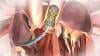
Tom Jones, M.D., director, cardiac cath labs, Seattle Children’s Hospital, and principle investigator of the Medtronic Harmony transcatheter pulmonary valve trial, explains the differences between the Melody and Harmony valves. He also explains the history of congenital heart transcatheter valve development over the past 20 years and how adult structural heart devices also developed side-by-side with these devices.
Patients with tetralogy of fallot often received the ventricular outflow tract (RVOT) in an initial surgery and a second surgery in needed later for a pulmonary valve. As valves wear out, additional open heart surgeries are needed. The Harmony and Melody help reduce the number of open heart surgeries in these patients. Jones said the Harmony valve may help reduce or eliminate the need for open heart surgeries.
The Melody was the first transcatheter valve to gain approval for use in the United States. It was designed to treat patients who already had a surgically placed RVOT. The Harmony valve was then developed to address patients who also needed the RVOT. Between the two valves, Jones said the majority of congenital heart issues can now be treat.
Jones said about 40,000-50,000 babies are born each year in the United States with congenital heart defects that the Harmony and Melody valves might be used to help. He said the Melody valve was able to help about 25% of these patients, and the Harmony valve now can help the rest of these patients with a transcatheter solution.
Related Congenital Heart Content:
VIDEO: Harmony Transcatheter Pulmonary Valve Has Good Outcomes at 1 Year — Interview with Tom Jones, M.D.
FDA Clears First Device to Treat Right Ventricular Outflow Tract Congenital Heart Disease
FDA Expands Indication for Melody Transcatheter Valve for Failed Surgical Valves
VIDEO: The Heart Team Approach in Congenital Structural Heart Interventions — Interview with Tom Jones, M.D.
VIDEO: Advances in Congenital Heart Therapy Technologies — Interview with Tom Jones, M.D.
VIDEO: Use of Virtual Reality to Aid Congenital Heart Disease — Interview with David M. Axelrod, M.D.
Medtronic Shares Two-Year Harmony Transcatheter Pulmonary Valve Results
Structural Heart | September 20, 2021
Dr. Neil Moat, MBBS, chief medical officer of Abbott's structural heart business, explains the latest advances in Abbott's structural heart device program. He discusses data on the MitraClip G4 device, the Global EXPAND registry study looking at its use in a real-world population, and the large amount of interest in treating heart failure patients with this device following the COAPT Trial, which showed dramatically improve outcomes. Moat also discusses advances using the TriClip G4 system, a tricuspid valve version of the MitraClip tailored for this valve position.
Moat also discusses some of the other new technologies Abbott is developing in the structural heart space. This includes the Tendyne transcatheter mitral valve replacement (TMVR) device, the Portico transcatheter aortic valve replacement (TAVR) device, and the second generation Navitor TAVR valve. He also mentioned Abbott's Amulet transcatheter left atrial appendage (LAA) occlusion device, which gained U.S. FDA clearance this past summer.
Hear more about Dr. Moat's views in the VIDEO: Abbott Structural Heart CMO Shares Views on Future of Valve Interventions.
Related MitraClip, Triclip, Amulet and Portico Content:
MitraClip Reduces Mortality for Heart Failure Patients With Secondary Mitral Regurgitation
VIDEO: MitraClip to Treat Heart Failure - Results of the COAPT Trial — Interview with William Abraham, M.D.,
VIDEO: Echocardiographic Findings in the COAPT Trial — Interview with Federico Asch, M.D.
FDA Approves MitraClip for Use in Heart Failure Patients With Functional Mitral Regurgitation
VIDEO: Impact of the COAPT Trial on Heart Failure Patients With Functional Mitral Regurgitation — Interview with Andreas Brieke, M.D.
Transcatheter Mitral Valve Repair is Cost-Effective in Heart Failure Patients
TAVR Expected to See Rapid Growth in Next 5 years
FDA Clears Abbott Amplatzer Amulet LAA Occluder to Reduce Stroke in People With Atrial Fibrillation
Portico TAVR System Found Safe and Effective for High-Risk Surgical Patients
Portico TAVR System Reduces Severe Aortic Stenosis at 30 Days in Real-World Setting
Congenital Heart | September 15, 2021

Tom Jones, M.D., director, cardiac cath labs, Seattle Children’s Hospital, explains the importance of the heart team approach on congenital heart interventions and explains the development of adult congenital interventional specialists. Jones explains the role of pediatric and adult congenital interventionists and structural heart specialists and the importance of the team approach with complex congenital heart patient cases.
He also explains the history of interventions and congenital heart disease over the last few decades and how these helped shape transcatheter adult structural heart interventions today.
Related Congenital Heart Content:
VIDEO: Harmony Transcatheter Pulmonary Valve Has Good Outcomes at 1 Year — Interview with Tom Jones, M.D.
VIDEO: Use of Virtual Reality to Aid Congenital Heart Disease — Interview with David M. Axelrod, M.D.
FDA Clears First Device to Treat Right Ventricular Outflow Tract Congenital Heart Disease
FDA Clears Sapien for Pulmonary Valve
Medtronic Shares Two-Year Harmony Transcatheter Pulmonary Valve Results
FDA Expands Indication for Melody Transcatheter Valve for Failed Surgical Valves
Structural Heart | July 14, 2021

Doctor Andreas Ruck, interventional cardiologist and head of the mitral/tricuspid program, Karolinska University Hospital, Stockholm, Sweden, explains the latest data on the Boston Scientific Acurate neo2 transcatheter aortic valve replacement (TAVR) system. It demonstrated positive procedural performance, including low rates of paravalvular leak (PVL) and permanent pacemaker implementation, in data presented in late-breaking sessions at the EuroPCR 2021 congress. These areas improved from the trials using the first generation valve.
The Acurate neo2 valve design enhancements include a 60% larger outer sealing skirt to better conform to challenging anatomies to better minimized PVL.
Boston Scientific said the ACURATE IDE pivotal U.S. trial is currently enrolling patients to evaluate the safety of the ACURATE neo2 Aortic Valve System. In April 2021, the company received FDA approval to modify the trial design to study patients with severe, symptomatic aortic stenosis who are at low risk for open-heart surgery, in addition to those at intermediate, high and extreme risk.
Related Acurate neo TAVR Valve Content:
Acurate neo2 TAVR Valve Demonstrate Reduced Paravalvular Leak and Low Permanent Pacemaker Rates
TAVR Is Now Dominant Form of Aortic Valve Replacement in the United States
Boston Scientific Launches Acurate neo2 Transcatheter Aortic Valve System in Europe
New Acurate neo Self-expanding TAVR Device Does Not Meet Non-Inferiority Compared to Sapien 3
Acurate neo TAVR Valve Fails to Meet Noninferiority With Medtronic CoreValve Evolut
VIDEO: Interventional Structural Heart Advances Are Rapidly Expanding — Interview with Juan F. Granada, M.D.
Boston Scientific to Acquire TAVR Maker Symetis
Congenital Heart | May 26, 2021

Tom Jones, M.D., director, cardiac catheterization laboratories, Seattle Children’s Hospital, explains some of the new technologies being used to treat congenital heart disease. He discusses the recent trial he served as principle investigator for the new Harmony transcatheter pulmonary valve, the development of a bioresorbable transcatheter septal occluder device, development of large bioresorbable stents for use in pediatric cases, and use of virtual and augmented reality to better understand and guide very complex congenital heart procedures. Jones also explains a patient case where a 3-D printed heart and vessels from the patient helped the heart team understand all the options and how to tackle a valve replacement in a child with a single ventricle.
Jones shared some of these advances in congenital heart intervention sessions at the Society of Cardiovascular Angiography and Interventions (SCAI) 2021 meeting.
Recent Technology Advances in Congenital Heart:
FDA Clears First Device to Treat Right Ventricular Outflow Tract Congenital Heart Disease
VIDEO: Harmony Transcatheter Pulmonary Valve Has Good Outcomes at 1 Year — Interview with Tom Jones, M.D.
FDA Expands Indication for Melody Transcatheter Valve for Failed Surgical Valves
VIDEO: Use of Virtual Reality to Aid Congenital Heart Disease — Interview with David M. Axelrod, M.D.
Bioresorbable Pulmonary Valve Replacement May Enable Cardiovascular Regeneration
VIDEO: Transcatheter Closure of Holes in the Heart — Interview with Ziyad Hijazi, M.D.
Nemours Children's Health System Uses 3-D Printing to Deliver Personalized Care
Bioresorbable ASD Occluder Prepares to Enter U.S. Clinical Trial
FDA Approves Abbott's Amplatzer Piccolo Occluder
Critical Need for Pediatric Electrophysiology Devices is Focus of Medical Device Competition
Lab-created Heart Valves Can Grow With the Patient
Abbott Receives European CE Mark for Two Pediatric Heart Devices
ASE Releases Guidelines for Transesophageal Echo in Congenital Heart Disease
Robotic Systems | May 18, 2021
Ehtisham Mahmud, M.D., division chief of cardiovascular medicine, director of interventional cardiology and the cardiac cath lab at the University of California at San Diego Health, explains how cath lab robotic systems may soon enable interventionalists to perform emergency stroke thrombectomy in patients hundreds of miles away. Corindus/Siemens Healthineers is developing its Corpath GRX robotic system to enable remote telemedicine procedures. Mahmud said this could help significantly improve access to acute stroke care interventions in rural areas.
Today, the standard of care for stroke is similar to STEMI heart attacks from 40 years ago where tissue plasminogen activator (tPA) is administered in attempts to break up the clot causing ischemic strokes. Outcomes in STEMI greatly improved in the late 1980s and 1990s with the proliferation of angioplasty and percutaneous coronary intervention (PCI) stenting procedures, which became the standard of care in cardiology. Mahmud said acute stroke interventions are following a similar path, but there just are not enough neuro-interventional operators to create large networks for stroke similar to what is now established for STEMI.
He said the Corpath robotic interventions are already conducted remotely from across the room in the cath lab. The idea is that it does not matter if a patient is 10 feet away in the same room or 200 miles away at a smaller hospital to conduct these procedures. This could go a long way to overcoming vast healthcare disparities in smaller, rural hospitals that are far removed from larger centers that are better equipped, and more importantly, have the specialities needed for these procedures.
Once this technology is cleared for use, Mahmud said cardiologists already have the technical skills to perform emergency thrombectomies, but need to learn more about the neuro-vascular bed and how to deal with any adverse events during or after a procedure. He said this lays the ground for creating neuro-cardiology partnerships or care teams to enable this type of care in the near future.
Related Robots in the Cath Lab Content:
VIDEO: Robotic PCI Performed Well in Real-World Population in the PRECISION GRX Study — Ehtisham Mahmud, M.D.
Second Generation Robotic PCI System Performs Well Across Spectrum of Lesion Complexity
VIDEO: Standardizing PCI Through Smart Robotic Procedural Automation
FDA Clears Corindus CorPath GRX for Peripheral Vascular Interventions
VIDEO: Corindus CorPath Robotic PCI System For The Cardiac Cath Lab
Corindus CorPath Used in World's First-in-Human Telerobotic Coronary Intervention
14 Ways to Reduce Radiation Exposure in the Cath Lab
Corindus Seeking Neurovascular Intervention Clearance for CorPath GRX Vascular Robotic System
Innovations Driving the Cath Lab Technology of Tomorrow
Siemens Completes Acquisition of Cath Lab Robotics Vendor Corindus
First Robotic Coronary Angioplasties Performed With Robocath System in Germany
Hoag Performs First Robotic Carotid Artery Stenting on West Coast
Find more news from the SCAI 2021 virtual meeting
Robotic Systems | May 18, 2021

Ehtisham Mahmud, M.D., division chief of cardiovascular medicine, director of interventional cardiology and the cardiac cath lab at the University of California at San Diego Health, was the principle investigator for a trial that looked at the latest generation of cath lab robotics in a real-world patient population.
The late-breaking PRECISION GRX Study was presented at the Society of Cardiovascular Angiography and Interventions (SCAI) 2021 meeting. It looked at the use of robotic PCI in real-world patients across a spectrum of lesion complexity. This included use in total chronic occlusions (CTOs), and ostial and bifurcation lesions.
The robot system allows the operator to sit in a lead-lined booth outside the radiation field to perform the procedures sitting down, and they do not need to wear lead.
Read more on this study — Second Generation Robotic PCI System Performs Well Across Spectrum of Lesion Complexity
Related Robots in the Cath Lab Content:
VIDEO: Standardizing PCI Through Smart Robotic Procedural Automation
FDA Clears Corindus CorPath GRX for Peripheral Vascular Interventions
VIDEO: Corindus CorPath Robotic PCI System For The Cardiac Cath Lab
Corindus CorPath Used in World's First-in-Human Telerobotic Coronary Intervention
14 Ways to Reduce Radiation Exposure in the Cath Lab
Corindus Seeking Neurovascular Intervention Clearance for CorPath GRX Vascular Robotic System
Innovations Driving the Cath Lab Technology of Tomorrow
Siemens Completes Acquisition of Cath Lab Robotics Vendor Corindus
First Robotic Coronary Angioplasties Performed With Robocath System in Germany
Hoag Performs First Robotic Carotid Artery Stenting on West Coast
Structural Heart | May 13, 2021
Tom Jones, M.D., director, cardiac catheterization laboratories, Seattle Children’s Hospital, and principle investigator of the Medtronic Harmony transcatheter pulmonary valve (TPV) trial 1-year results that were presented as a late breaking trial at Society of Cardiovascular Angiography and Interventions (SCAI) 2021 Scientific Sessions.
New study results validate the effectiveness of the Harmony TPV system for patients with congenital heart disease (CHD) and severe pulmonary regurgitation (PR). The Harmony TPV is designed to be a less invasive treatment option for patients with a congenital heart defect irregularity in their right ventricular outflow tract (RVOT) that requires a pulmonary valve placement to restore valve function.
Read more details in th article One-year Results of the Harmony Transcatheter Pulmonary Valve Trial Presented at SCAI 2021.
Related Pulmonary Valve Content:
FDA Clears First Device to Treat Right Ventricular Outflow Tract Congenital Heart Disease
FDA Clears Sapien for Pulmonary Valve
Medtronic Shares Two-Year Harmony Transcatheter Pulmonary Valve Results
FDA Expands Indication for Melody Transcatheter Valve for Failed Surgical Valves
Structural Heart | May 10, 2021

Philippe Géneréux, M.D., director of the structural heart program at Atlantic Health System’s Morristown Medical Center, is the lead author of the new VARC-3 consensus document that defines endpoints and standardizes taxonomy for aortic valve research.[1] This document is important because it acts as a guide so all structural heart research is comparable and using the same terminology. He said this will become more important as long-term outcomes of 5 to 10 years become available and require apples-to-apples comparisons with newer valve technologies.
Key updates in VARC-3 include a new section on hospitalization or re-hospitalization, defining various levels of valve leaflet thrombosis, also known as hypo-attenuated leaflet thickening (HALT), and defining the stages of bio-prosthetic valve deterioration and valve failure.
The Valve Academic Research Consortium (VARC), founded in 2010, was intended to identify appropriate clinical endpoints and standardize definitions of these endpoints for transcatheter and surgical aortic valve clinical trials. Rapid evolution of the field, including the emergence of new complications, expanding clinical indications, and novel therapy strategies have mandated further refinement and expansion of these definitions to ensure clinical relevance. This document provides an update of the most appropriate clinical endpoint definitions to be used in the conduct of transcatheter and surgical aortic valve clinical research.
Reference:
Radial Access | May 06, 2021
Arnold Seto, M.D., MPA, FSCAI, chief of cardiology, Long Beach Veterans Affairs Medical Center and director, interventional cardiology research, UCI Health, and Jordan Safirstein, M.D., FSCAI, director of transradial intervention, Atlantic Health's Morristown Medical Center, were involved in a physician-initiated study to find a new way to cut radial artery access site hemostasis by 50 percent. The late-breaking study presented at SCAI 2021 uses a combination of a StatSeal patch and the TR Band compression bracelet.
Cardiac catherization is increasingly bing performed using transradial approach, now making up 50 percent or more of the access used for U.S. interventional procedures. The Terumo TR Band is used to close the vascular access site. Standard protocols require the band to be left on for at least two hours following the procedure.
Shorter compression times can help reduce complications with radial artery occlusion, so it is desirable to find ways to shorten compression times, Seto said. He explained clinicians often start to deflate the wrist band balloon after an hour and watch for ooze or blood. If there are signs the wound is not completely sealed, the band is reinflated. Reinflations occurs more that 67 percent of the time, he explained.
"We found with the Statseal, you almost never have to reinflate," Seto said.
This study shows that time can be reduced in half and with fewer complications by using the additional patch device, which helps sped the clotting process. This can save staff time and possibly leading to faster patient discharge for same-day PCI programs.
Read more in the article Radial Hemostasis Time Cut by 50 Percent With StatSeal in Combination With TR Band.
Coronavirus (COVID-19) | May 06, 2021

Payam Dehghani, M.D., FRCPC, FACC, FSCAI, co-director of Prairie Vascular Research and associate professor at the University of Saskatchewan, explains the findings of the North American COVID-19 Myocardial Infarction (NACMI) Registry. He presented this late-breaking study data at the at the Society of Cardiovascular Angiography and Interventions (SCAI) 2021 meeting.
The study found one third of patients will die who have COVID-19 (SARS-CoV-2) and suffer a ST-elevated myocardial infarction (STEMI), which is alarming high as compared to four-in-100 patients using a pre-pandemic control group.
The prospective, ongoing observational registry was created under the guidance of the SCAI, Canadian Association of Interventional Cardiology (CAIC) and American College of Cardiology (ACC). The initial results of the registry were published in the Journal for American College of Cardiology (JACC) on April 27, 2021.
Important key findings from the registry data include:
• Minorities were disproportionally affected: 55 percent of the STEMI patients had minority ethnicity, which was about evenly divided between Hispanics and blacks.
• In-hospital mortality was high: 33 percent (4 percent for controls without COVID).
• Symptoms were unique: majority (54 percent) presented with respiratory symptoms (shortness of breath) rather than chest pain.
• Significant proportion of COVID-positive patients presented with high-risk STEMI: cardiogenic shock (18 percent) and cardiac arrest (11 percent), which may explain the high fatality rate.
• Primary angioplasty remained the dominant revascularization modality during the pandemic with small treatment delays (at about 15 minutes).
• Diabetics are known to have some of the worst outcomes if they contract COVID, and this was reflected in the study, with 45 percent of patients having diabetes.
Read more in the artice Third of COVID Patients With STEMI Heart Attacks Die.
Find more COVID-19 news and video
SCAI 2021 Late-breaking Clinical Study Results
Find more news from the SCAI 2021 virtual meeting
Cath Lab | May 05, 2021
Ashwin Nathan M.D., a cardiology fellow in the division of Cardiovascular Medicine at the Hospital of the University of Pennsylvania, presented a late-breaking study at the Society of Cardiovascular Angiography and Interventions (SCAI) 2021 meeting that looked at hospital-level percutaneous coronary intervention (PCI) performance data and simulated if what would happen if hospitals removed their highest risk patients. The findings suggest this risk avoidance strategy does not necessarily mean the hospital will get higher performance scores.
Read more in the article Avoiding High-risk Cath Lab Procedures Does Not Necessarily Improve Hospital Scores.
Structural Heart | April 30, 2021
Ashwin Nathan M.D., a cardiology fellow at the Hospital of the University of Pennsylvania, presented a late-breaking study on the socioeconomic and geographic access to transcatheter aortic valve replacement (TAVR) programs at the Society of Cardiovascular Angiography and Interventions (SCAI) 2021 Scientific Sessions.
The findings reveal inequitable access to TAVR programs for non-metropolitan or lower income areas across the country. Between 2012 and 2018, 554 hospitals developed new TAVR programs including 543 (98%) in metropolitan areas, and 293 (52.9%) in metropolitan areas with pre-existing TAVR programs. Compared with hospitals that did not start TAVR programs, hospitals that did start TAVR programs treated patients with higher median household incomes (difference $1,305, 95% CI $134 to $12,477, p=0.03). Furthermore, TAVR rates per 100,000 Medicare beneficiaries were higher in areas with higher median income, despite adjusting for age and clinical comorbidities.
The authors also acknowledge that increasing access to TAVR and structural heart programs will require foresight into how clinical trials and approval for procedures and technologies at hospitals are distributed.
Cardiogenic Shock | April 28, 2021

William O’Neill, M.D., medical director of the Center for Structural Heart Disease at Henry Ford Hospital, Detroit, explains final data from the National Cardiogenic Shock Initiative Study (NCSI), The study, presented as a late-breaker at the Society for Cardiovascular Angiography and Interventions (SCAI) 2021 Virtual Scientific Sessions today, showed NCSI protocols increased cardiogenic shock survival from 50% to 72%. This involves using Impella hemodynamic support prior to percutaneous coronary intervention (PCI).
Find more news from the SCAI 2021 virtual meeting
Related Cardiogenic Shock Content:
VIDEO: How to Reduce Cardiogenic Shock Mortality by 50 Percent — Interview with h Babar Basir, D.O.
SCAI Releases New Consensus Document on Classification Stages of Cardiogenic Shock
VIDEO: The Importance of Ventricular Unloading in AMI and Cardiogenic Shock — Interview with Nevin Kapur, M.D.
VIDEO: Cardiogenic Shock Initiative Continues to Reduce Mortality by 50 Percent — Interview with William O’Neill, M.D.
10 Reasons Why it is Time to Learn More About Cardiogenic Shock — by Emmanouil S. Brilakis, M.D.
New Approaches to Reduce Cardiogenic Shock Mortality
VIDEO: Overview of the National Cardiogenic Shock Initiative — Interview with William O’Neill, M.D.
Cath Lab | April 02, 2021
Corindus, a Siemens Healthineers company and a developer of vascular robotics, recently launched a new set of automated robotic movements in the technIQ Series designed for the CorPath GRX System.
Kate Drake, director of marketing for Corindus, talks with DAIC Editor Dave Fornell about how this software automation provides advanced device manipulation during complex coronary and peripheral procedures in the cath lab.
Corindus has added automated movements for catheter spin, wiggle, dotter and constant speed to help navigate tight lesions and tortuous anatomy.
Drake also discusses the first use of telerobotic procedures with the Corindus system, where the operator was 32 km away from their patient.
For more information: Corindus.com
Related Corindus Robotic System Content:
First-in-Human Telerobotic Coronary Intervention Procedures Published in EClinicalMedicine
Final Results of the Multicenter PRECISION GRX Study of the CorPath in a real-world population across a spectrum of lesion complexity — SCAI 2021 late-breaker
Corindus Vascular Robotics to Be Acquired by Siemens Healthineers
Corindus CorPath GRX Used in Live Complex Robotic-Assisted Coronary Intervention at EuroPCR 2019
Reducing Physician Radiation Dose With Robotics
Corindus Seeking Neurovascular Intervention Clearance for CorPath GRX Vascular Robotic System
Corindus CorPath Used in World's First-in-Human Telerobotic Coronary Intervention
Hoag Performs First Robotic Carotid Artery Stenting on West Coast
Find more information on robotic systems for the cath and EP labs
Cath Lab | March 31, 2021
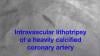
This is a quick example of clinical use of the Shockwave Medical Intravascular Lithotripsy system that uses sonic wave pulses and a low pressure 4 atm compliant balloon to break up heavy calcium without vessel trauma. Intravascular lithotripsy gained FDA clearance for peripheral artery disease (PAD) in 2016, and the company began working toward an additional indication for the coronaries. It was granted FDA clearance in February 2021. The FDA also recognized this technology as a breakthrough technology because it offers a solution to a long-standing clinical problem.
Related Intravascular Lithotripsy Content:
FDA Clears Coronary Intravascular Lithotripsy to Breakup Calcified Lesions With Sound Waves
VIDEO: Intravascular Lithotripsy to Treat Severely Calcified Coronary Artery Lesions — Interview with Dean Kereiakes, M.D.
Intravascular Lithotripsy: Will This New Investigational Technology Crack Calcium’s Code in the U.S.? — Article by DISRUPT CAD III investigators Dean Kereiakes, M.D., and Jonathan Hill, M.D.
FDA Grants Shockwave Medical Breakthrough Status for Coronary Intravascular Lithotripsy
BLOG: Coronary Lithotripsy May Become a Paradigm Shift in the Cath Lab
VIDEO: Breaking Up Calcified Lesions Without Vessel Trauma — Interview with Todd Brinton, M.D.
FDA Clears Lithoplasty Balloon That Shatters Calcified PAD Lesions With Ultrasound
Lithotripsy Safe and Effective in Calcified Stenotic Peripheral Arteries
Intravascular Lithotripsy May Offer Solution for Calcified Coronary Lesions — Article By Azeem Latib, M.D.
VIDEO: How a Lithoplasty Balloon Shatters Calcified Plaque in Arteries With Ultrasound
VIDEO: Demonstration of Intravascular Lithotripsy Breaking Up Calcium.
Structural Heart | March 23, 2021
Interview with Scott E. Kasner, M.D., who served as the principle investigator for the Gore Cardioform REDUCE trial, and just published an update in March 2021 looking at the five-year outcomes of patent foramen ovale (PFO) closure vs. antiplatelet therapy for cryptogenic stroke.[1] Kasner is the chief of the Division of Vascular Neurology, vice chair for clinical affairs for the department of neurology, and Ruth M. and Tristram C. Colket, Jr. President's Distinguished Professor of neurology at the University of Pennsylvania Perelman School of Medicine. He also is the director of the Comprehensive Stroke Center at the University of Pennsylvania Health System.
The findings show continued benefit and safety of PFO closure out to five years. The initial REDUCE trial results were presented as a late-breaking trial in 2017 and showed benefit to PFO closure and led to the U.S. FDA clearance of the Gore Cardioform PFO Occluder devices. It became the second PFO occluder cleared for use in the United States along with the Abbott Amplatzer.
He said an important part of the a PFO closure program is to have close collaboration between the interventional cardiologists and neurologists for patient selection, therapy and followup. Kasner said like any procedure, it is also important to have enough volume for one or two cardiologists to become proficient at the PFO occluder procedure.
Related PFO Closure Content:
VIDEO: How Transcatheter PFO Closure Can Reduce Cryptogenic Stroke — Interview with John Rhodes, M.D.
Gore Cardioform ASD Occluder Receives FDA Approval
VIDEO: Transcatheter PFO Closure to Prevent Stroke and Migraines — Interview with Carey Kimmelstiel, M.D.
SCAI Offers Recommendations for Safe Use of PFO Closure Technologies
VIDEO: An Overview of PFO Closure to Treat Cryptogenic Stroke — Interview with Karen Orjuela, M.D.
VIDEO: Demonstration of a Transcatheter PFO Occluder Implantation
VIDEO: Transcatheter Closure of Holes in the Heart — Interview with Ziyad Hijazi, M.D.
PFO Closure Shows Positive Results from REDUCE Clinical Study
VIDEO: PFO Closure Found Beneficial for Cryptogenic Stroke — Presentation of RESPECT Trial results by John Carroll, M.D.
Reference:
Cath Lab | February 04, 2021
Cindy Grines, M.D., MSCAI, FACC, president of the Society for Cardiovascular Angiography and Interventions (SCAI), and chief scientific officer of the Northside Cardiovascular Institute in Atlanta, explains a survey showing patients fear catching COVID-19 more than heart attacks. The SCAI survey found this fear is now seen as playing a role in preventing people from going to the hospital if they do have a heart attack or stroke, or even seeing their doctors for checkups or for cardiac complaints they might be having. This is leading to an increase in patients showing up very late after the onset of heart attacks, leading to serious cardiac damage and worse outcomes. This was a concern early on in the U.S. spread of the virus, but this recent survey shows patients attitudes and fears have not improved much since last spring.
SCAI Study Shows COVID Fears Continue to Cause Americans to Avoid Doctor Visits
VIDEO: Where Have all the STEMI Cases Gone Amid COVID-19? — Interview with Thomas Maddox, M.D.
Rapid Drop in Heart Attacks and Stroke at Hospitals Concerns ACC
FFR Technologies | December 16, 2020

This is an example of the Medis Medical Imaging Quantitative Flow Ratio (QFR) system that offers a fractional flow reserve (FFR) blood flow measure in coronary vessels based on angiography imaging analysis alone. The FDA-cleared product allows the FFR-angio derived analysis to be performed table side in the cath lab when the patient is on the table for a procedure to determine if a patient requires a stent.
The QRF technology uses two angiography images with contrast, shot from different angles are used to create a 3-D model of the vessel segment and calculate FFR flow past a lesion. The model also can help plan for stenting.
This example was recorded by DAIC Editor Dave Fornell at the 2019 Transcatheter Cardiovascular Therapeutics (TCT) meeting.
Robotic Systems | December 16, 2020

This is an example of the Siemens Corindus CorPath Cath lab robotic system being used for a percutaneous coronary intervention (PCI) stent implant simulation on the expo floor at the 2019 Transcatheter Cardiovascular Therapeutics (TCT) meeting. The system is mounted to the rail of the cath lab patient table and is manually loaded with catheters. The operator sits in a lead-lined booth outside the radiation field of the C-arm and uses joysticks to manipulate the catheters and advance them through vessels. The operators has the same controls for contrast and C-arm movement as they do using the tableside controls.
The main advantages of this systems are very precise catheter movements and removing the operator from the radiation field, so they can perform the procedure sitting down and without the need to wear heavy protective aprons.
The system is being tested to enable remote expert operators at one hospital to use high speed internet connections to perform a robotic PCI at another hospital many miles aways.
Read more
Related Cardiovascular Robotics Content:
VIDEO: Standardizing PCI Through Smart Robotic Procedural Automation
Final Results of the Multicenter PRECISION GRX Study of the CorPath in a real-world population across a spectrum of lesion complexity — SCAI 2021 late-breaker
First-in-Human Telerobotic Coronary Intervention Procedures Published in EClinicalMedicine
Robocath Successfully Carries Out First Robotic Coronary Angioplasties in Humans
Corindus Vascular Robotics to Be Acquired by Siemens Healthineers
Corindus CorPath GRX Used in Live Complex Robotic-Assisted Coronary Intervention at EuroPCR 2019
Stereotaxis Announces Next-generation Robotic Magnetic Navigation and Imaging Systems
Reducing Physician Radiation Dose With Robotics
Corindus Seeking Neurovascular Intervention Clearance for CorPath GRX Vascular Robotic System
Corindus CorPath Used in World's First-in-Human Telerobotic Coronary Intervention
Coronavirus (COVID-19) | November 10, 2020

Keith Ellis, M.D., is the director of cardiovascular services and the director of the Chest Pain Center at Houston Methodist Sugar Land Hospital, and has been the director of nuclear cardiology for Diagnostic Cardiology of Houston. He explains how his department has implemented protocols and new technology to mitigate COVID-19 contamination risks and to prevent readmissions. New technologies include the use of telemedicine, CT angiography, and a contrast reduction system in the cath lab to prevent kidney injury that would result in a patient readmission. The hospital also is using techniques to help cut procedure times, including use of radial access in the cath lab and abbreviated nuclear scan protocols to shorten exam times.
He said there can be a lot of cardiovascular involvement in severe COVID patients, ranging from development of myocarditis, STEMI with and without clots, arrhythmias, venous thromboembolism (VTE), and the need for hemodynamic support, including ECMO. He said the most surprising management issue with the COVID patients has been the large amount of VTE, often resulting in deep vein thrombosis and pulmonary embolism (PE). Ellis said this often requires interventional strategies, including the use of Ekos ultrasonic catheter based thrombolysis to break up the clots.
Related Cardiac COVID-19 Content:
COVID-19 Positive STEMI Patients Have Higher Mortality
VIDEO: ECMO Hemodynamic Support Effective in Sickest COVID-19 Patients — Interview with Ryan Barbaro, M.D.
The Cardiovascular Impact of COVID-19
VIDEO: Multiple Cardiovascular Presentations of COVID-19 in New York — Interview with Justin Fried, M.D., explaining a case that used VV-ECMO abnd VAV-ECMO
VIDEO: Impact of COVID-19 on the Interventional Cardiology Program at Henry Ford Hospital — Interview with William O'Neill, M.D.
Kawasaki-like Inflammatory Disease Affects Children With COVID-19
VIDEO: Best Practices for Nuclear Cardiology During the COVID-19 Pandemic — Interview with Hicham Skali, M.D.
VIDEO: Cancelling Non-essential Cardiac Procedures During the COVID-19 Outbreak — Interview with Ehtisham Mahmud, M.D.
VIDEO: 9 Cardiologists Share COVID-19 Takeaways From Across the U.S.
VIDEO: Telemedicine in Cardiology and Medical Imaging During COVID-19 — Interview with Regina Druz, M.D.
VIDEO: COVID-19 Precautions for Cardiac Imaging — Interview with Stephen Bloom, M.D.,
Find more cardiology related COVID-19 content
Hemodynamic Support Devices | October 20, 2020

Chuck Simonton, M.D., chief medical officer at Abiomed, discusses some of the new technologies and clinical trials the company is working on and highlighted hemodynamic presentations at the 2020 Transcatheter Cardiovascular Therapeutics (TCT) Connect virtual meeting.
In this interview Simonton discusses:
• The new Impella 5.5 device
• The new Impella ECP expandable pump that collapses to a very small diameter to aid vascular access is about to start first-in-human trials.
• Smart Assist technology that will incorporated artificial intelligence (AI) to better monitor Impella patients.
• The Door to Unloading (DTU) Trial that is using Impella first in STEMI patients prior to PCI to prevent reperfusion injury
•The PROTECT III and IV trials.
Prior Abiomed, Simonton was the CMO at Abbott Vascular, and was a practicing interventional cardiologist for nearly 30 years at Duke University Medical Center and then at the Sanger Clinic. At Sanger he created his own research team to study patient outcomes following the use of new cardiac technologies. He also founded the Carolinas Cardiovascular Research Foundation at the Carolinas Heart Institute, now part of Atrium Health.
Coronavirus (COVID-19) | October 20, 2020

Chuck Simonton, M.D., chief medical officer at Abiomed, explains when advanced hemodynamic support is required in COVID-19 (SARS-CoV-2) patients. Abiomed received two FDA emergency use authorizations in 2020 to use Impella is certain clinical circumstances, including a provision to use the Impella RP for right heart failure in COVID patients and for the Impella CP to be used in tandem with ECMO to help support critially ill COVID patients.
Find more cardiology related COVID news
Cath Lab | October 19, 2020

Dean Kereiakes, M.D., medical director, The Christ Hospital Heart and Vascular Center, medical director, The Christ Hospital Research Institute, and professor of clinical medicine at The Ohio State University, explains the late-breaking Disrupt CAD III study at the 2020 Transcatheter Cardiovascular Therapeutics (TCT) Connect virtual meeting.
The trial will likely pave the way for U.S. Food and Drug Administration (FDA) clearance for intravascular lithotripsy to be used in the coronary arteries. He offers details on the data and and use of this technology in the cath lab compared to the current techniques of atherectomy, cutting balloons and high pressure balloons that can cause vessel trauma, leading to poorer outcomes.
The lithotripsy technology breaks up calcium in the vessel walls without trauma, using a compliant balloon and relying on sonic waves to bust the calcium rather than brute force. He said this could be a paradigm shift in how calcified lesions are treated.
Read more on this trial and the technology in the article Shockwave Technology to Sonically Bust Calcified Coronary Lesions Shows Safety and Efficacy in U.S. Pivotal IDE Trial.
Find additional TCT 2020 news, video and late-breaking studies
Antiplatelet and Anticoagulation Therapies | October 19, 2020
The COMPARE CRUSH Trial looked at the effect of per-hospital crushed prasugrel tablets in patients with STEMI planned for primary percutaneous coronary intervention (PCI).[1] This video is of the press conference presention of this late-breaking study by doctor George Vlachojannis, from UMC Utrecht, at the 2020 Transcatheter Cardiovascular Therapeutics (TCT) Connect virtual meeting.
The idea was to crush the tablets to enable faster anti-later inhibition, but the findings of this study showed it did not improve TIMI 3 flow on first angiography or ST-segment resolution at 1 hour post PCI.
Find additional TCT 2020 news, video and late-breaking studies
Reference:
Stents Drug Eluting | October 19, 2020

Dean Kereiakes, M.D., medical director, The Christ Hospital Heart and Vascular Center, medical director, The Christ Hospital Research Institute, and professor of clinical medicine at The Ohio State University, explains the late-breaking OPTIMIZE Trial at the 2020 Transcatheter Cardiovascular Therapeutics (TCT) Connect virtual meeting.
OPTIMIZE looked at the safety and efficacy of the novel Svelte drug eluting stent (DES). It is a thin strut cobalt chromium stent that uses a bioresorbable amino acid-based drug carrier to elute sirolimus. It also was designed specifically for transradial access and direct stenting with a very low crossing profile.
The trial showed the device did not meet non inferiority for existing DES by a small margin, but there were questions raised about the criteria used in the design of the trial being flawed, rather than the device itself. Kereiakes explains these issues in the video.
Find additional TCT 2020 news, video and late-breaking studies
Heart Valve Technology | October 19, 2020

David Cohen, M.D., presents late-breaking data from the STS/ACC Transcatheter Valve Registry (TVT) showing the impact of using cerebral embolic protection devices during transcatheter aortic valve replacement (TAVR). This is the press conference presentation followed by an expert panel discussion at the 2020 Transcatheter Cardiovascular Therapeutics (TCT) Connect virtual meeting.
The stroke rates were initially high in TAVR compared to surgical aortic valve replacement (SAVR), but these rates have decreased in recent years as operators become more proficient during the procedures and the stroke rates are now comparable or lower than SAVR.
Cerebral embolic protection devices were developed to prevent emboli knocked off the aortic walls and from the aortic valve from traveling to the brain. However, this review of embolic protection device performance and use showed 66 percent of the 700 sites in the TVT Registry report not using these devices.
The rate of in-hospital stroke in the embolic protection group of patients was 1.39 percent. The rate of stroke in patients without embolic protection was 1.54 percent. There was no difference inn the rates of death, stroke, major bleeding or device success between these two groups, Cohen said.
The study also included a propensity-weighted analysis where the embolic group has a stroke rate of 1.3 percent and the no protection device group at 1.58 percent.
Cohen said there was not a significant reduction in in-hospital or 30-day stroke rates. While there its a slight signal toward fewer strokes with embolic protection, he said the findings show clinical equipoise and provide strong rational for ongoing, large-scale randomized, controlled trials to see if embolic protection devices offer meaningful clinical benefit.
Find additional TCT 2020 news, video and late-breaking studies
Related TAVR Content:
VIDEO: Tracking Transcatheter Valve Outcomes in the STS-ACC TVT Registry — Interview with John Carroll, M.D.
Key TAVR Takeaways From ACC 2020
U.S. TAVR Outcomes Need Improvement Based on TVT Registry Analysis
FDA Approves TAVR for Low-risk Patients Creates A Paradigm Shift in Cardiology
Antiplatelet and Anticoagulation Therapies | October 19, 2020

Roxana Mehran, M.D., and Marco Valgimiggle, M.D., present the results of the Xience 90/28 trials that evaluated the use of shortened 3-month and 1-month dual-antiplatelet therapy (DAPT) in high-risk bleeding patients. This is the press conference at the 2020 Transcatheter Cardiovascular Therapeutics (TCT) Connect virtual meeting. It is followed by an expert panel discussion on the merits and meaning of the results.
The use of short duration DAPT has been a big topic of discussion at TCT the past few years. The first FDA cleared indication for shortened DAPT was was granted in late September 2020 for the Medtronic Endeavor stent. The data from these two trials will likely lead the Xience to a similar FDA indication expansion.
Find additional TCT 2020 news, video and late-breaking studies
Heart Valve Technology | October 19, 2020
Doctor Hans-Josef Feistritzerm, Heart Center of Leipzig, Germany, presents data on the use of general vs. local anesthesia in transcatheter aortic valve implantation (TAVI) from the late-breaking SOLVE-TAVI one-year outcomes trial. This is the press conference at the 2020 Transcatheter Cardiovascular Therapeutics (TCT) Connect virtual meeting. It is followed by an expert panel discussion on the merits and meaning of the results.
The results showed both approaches are safe to use and the outcomes are good.
The trial randomized patients to either self-expandable or balloon-expandable transcatheter aortic valve replacement (TAVR) valves and the procedures used either general or local anesthesia. TAVR centers have been moving toward the procedure becoming a same day surgery to reduce overnight admissions and send them home as an out patient procedure. This can be accomplished using a local anesthesia if transesophageal echo (TEE) is not needed. However, many still use TEE or there are other factors that make this approach more appealing. Local anesthesia generally has a faster recovery time and reduces potential complications in sicker and older patients.
Find additional TCT 2020 news, video and late-breaking studies
Related TAVR Content:
VIDEO: Tracking Transcatheter Valve Outcomes in the STS-ACC TVT Registry — Interview with John Carroll, M.D.
Key TAVR Takeaways From ACC 2020
U.S. TAVR Outcomes Need Improvement Based on TVT Registry Analysis
FDA Approves TAVR for Low-risk Patients Creates A Paradigm Shift in Cardiology
Antiplatelet and Anticoagulation Therapies | October 17, 2020

Gregg Stone, M.D., presents the results of a pooled analysis of randomized trials of bivalirudin virus heparin in acute myocardial infarction patients in a press conference at the 2020 Transcatheter Cardiovascular Therapeutics (TCT) Connect virtual meeting.
The study looked at periprocedural anticoagulation during percutaneous corona intervention in AMI patients. There has been conflicting results reported between several trials looking at which drug is best for anticoagulation during cath procedures.
This study pooled data from 8 studies that included more than 27,000 patients. The data included both STEMI and NSTEMI patients.
The pool analysis found STEMI patients, bivalirudin was associated with reductions mortality, serious bleeding and NACE events, despite higher rates of myocardial infarction (MI) and stent thrombosis compared with heparin. The mortality benefit of bivalirudin was pronounced in patients with a post-PCI bivalirudin infusion to mitigate MI and stent thrombosis risks.
In NSTEMI patients, bivalirudin was associated with a reduction in 30 day serious bleeding events, but similar rates of mortality, MI and stent thrombosis compared to heparin.
Find additional TCT 2020 news, video and late-breaking studies
Cath Lab | October 17, 2020
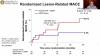
Gregg Stone, M.D., presents the results of the PROSPECT ABSORB Trial in a press conference at the 2020 ranscatheter Cardiovascular Therapeutics (TCT) Connect virtual meeting.
The PROSPECT ABSORB Trial was a randomized evaluation of vulnerable plaques using the Abbott Absorb fully bioresorbable stent. The hypothesis of the trial was to treat lesions prior to plaque ruptured to avoid heart attacks, rather than treating them after plaque rupture when a potential infarct and permanent heart damage is caused. Patients were randomized to percutaneous coronary intervention (PCI) using an Absorb bioresobable vascular scaffold (BVS) stents vs. guideline directed medical therapy (GDMT).
This is the first study that proactively identifies and preemptively treats vulnerable plaques.
Lesion related MACE events 4 years showed medical therapy alone resulted in 10.7 percent events and the BVS treat patients were 4.3 percent. Stone said the favorable BVS MACE rates warrants a larger, adequately powered randomized trial to determine if PCI treatment of focal vulnerable plaques improves patient outcomes.
The study looked at periprocedural anticoagulation during percutaneous corona intervention in AMI patients. There has been conflicting results reported between several trials looking at which drug is best for anticoagulation during cath procedures.
This study pooled data from 8 studies that included more than 27,000 patients. The data included both STEMI and NSTEMI patients.
The pool analysis found STEMI patients, bivalirudin was associated with reductions mortality, serious bleeding and NACE events, despite higher rates of myocardial infarction (MI) and stent thrombosis compared with heparin. The mortality benefit of bivalirudin was pronounced in patients with a post-PCI bivalirudin infusion to mitigate MI and stent thrombosis risks.
In NSTEMI patients, bivalirudin was associated with a reduction in 30 day serious bleeding events, but similar rates of mortality, MI and stent thrombosis compared to heparin.
Find additional TCT 2020 news, video and late-breaking studies
Heart Failure | October 16, 2020
The late-breaking MitraBridge Study was presented at Transcatheter Cardiovascular Therapeutics (TCT) 2020 meeting showed the transcatheter MitraClip mitral leaflet repair system can be used as bridge therapy to heart transplantation. About 25 percent of patients in this study were actually taken off the transplant list because they became asymptomatic. This is the press conference for the study presented by Cosmo Godino, M.D., an interventional cardiologist from San Raffaele Hospital, Milan, Italy. It is followed by a discussion by several well-known interventional cardiologists and structural heart experts.
Find additional TCT 2020 news, video and late-breaking studies
Cath Lab | October 16, 2020
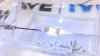
This is an example pf the Shockwave Medical Intravascular Lithotripsy (IVL) catheter system designed to break up heavily calcified plaque in coronary and peripheral vessels. The system uses sonic waves that penetrate the vessel wall and crack the calcium without causing vessel trauma, which commonly occurs with atherectomy and high pressure balloon angioplasty.
This demonstration was on the exhibit floor of the 2019 Transcatheter Cardiovascular Therapeutics (TCT) annual meeting. The material used in the demonstration are gypsum beads.
Related Content on Intervascular Lithotripsy:
FDA Grants Shockwave Medical Breakthrough Status for Coronary Intravascular Lithotripsy
Intravascular Lithotripsy: Will This New Investigational Technology Crack Calcium’s Code in the U.S.? — by Dean Kereiakes, M.D.
Intravascular Lithotripsy May Offer Solution for Calcified Coronary Lesions — By Azeem Latib, M.D.
VIDEO: Breaking Up Calcified Lesions Without Vessel Trauma — Interview with Todd Brinton, M.D.
Shockwave Launches Coronary Intravascular Lithotripsy in Europe
Lithotripsy Safe and Effective in Calcified Stenotic Peripheral Arteries
Shockwave Initiates U.S. Pivotal Study for Coronary Intravascular Lithotripsy
Radial Access | October 07, 2020

Jordan G. Safirstein, M.D., FACC, FSCAI, director of transradial catheterization for Atlantic Health System’s Morristown Medical Center, Morristown, N.J., explains the new radial access lounge at the Gagnon Cardiovascular Institute.
Transradial access lounges are specifically designed to meet the needs of cardiac catheterization patients who have had their procedure performed through a catheter inserted into their radial artery in the wrist, also known as transradial catheterization. This procedure, which has a shorter recovery period and less bleeding risk than traditional cardiac catheterizations done through the femoral (groin) artery, is now an option for many patients who are catheterized in order to conduct a diagnostic angiogram or have an angioplasty or stent procedure.
Patients can walk around, use the washroom, get coffee and sit in lounge chairs for their recovery while being monitored via wireless telemetry. This is a stark contrast to the transfemoral artery access recovery, which requires six hours of bed rest and can be very uncomfortable for the patient.
“Nearly half of all cardiac catheterizations are now done transradially, and there is plenty of data to show it is very safe and can be done as an outpatient procedure” Safirstein explained. “We saw the need for a recovery area for these patients that was more comfortable. These patients don’t need a traditional recovery room. Our goal is to safely send patients home on the same day of their procedure but while they spend time with us, it should be time spent relaxing, reading, receiving education about their procedure and prevention of future events. If they need new medications, we can provide that to them before they leave.”
Read more about the lounge in the article Atlantic Health Morristown Medical Center Opens Radial Lounge for Post-procedure Recovery.
Related Transradial Access Content:
VIDEO: Tour of a Radial Access Recovery Lounge That Mimics Cafe Atmosphere — Interview with Jack P. Chen, M.D.
VIDEO: The Benefits of Transradial Access — Interview with Jack P. Chen, M.D.
Radial Access Recovery Lounge Mimics Cafe Atmosphere
VIDEO: History of Radial Artery Access - an interview with Ferdinand Kiemeneij, M.D.
VIDEO: Radial Access Lounge Walk Through at Morristown Medical Center
Radial Access, Same-Day Cardiac Procedure Could Save $300 Million Annually
VIDEO: Update on U.S. Transradial Access Adoption — an interview with Sunil Rao, M.D.
VIDEO: Trends in Radial Access for Percutaneous Coronary Interventions — Interview with Sunil Rao, M.D., and Prashant Kaul, M.D.
Transradial Access Celebrates 25 Years
Find more radial access news and video
