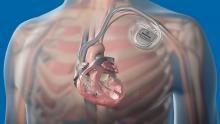
Interventional cardiac resynchronization therapy (I-CRT) describes the repurposing of a set of tools and techniques originally developed and employed by interventional cardiologists and radiologists that are now being used for coronary sinus (CS) cannulation and left ventricular (LV) lead implantation.
If you enjoy this content, please share it with a colleague
Meat-free athletes have already proven the performance-boosting power of a plant-based diet. Now, “Plant-Based Diets for Cardiovascular Safety and Performance in Endurance Sports,” a new scientific review published in the journal Nutrients1 adds further evidence that plant-based athletes benefit from improvements in heart health, performance and recovery.
Abbott announced U.S. Food and Drug Administration (FDA) approval of the TactiCath Contact Force Ablation Catheter, Sensor Enabled, a new ablation catheter designed to help physicians accurately and effectively treat atrial fibrillation (AFib). The approval further expands Abbott's portfolio of cardiac ablation tools that integrate with the company's EnSite Precision cardiac mapping system to help physicians develop more precise images of the heart during cardiac ablation procedures.
Many of the latest advances in cardiovascular imaging technologies are unveiled each year at the Radiological Society of North America (RSNA) meeting. This is the world's largest radiology conference, held each year in Chicago the week after Thanksgiving in November. At RSNA 2018, there were several new innovations in cardiac imaging released.
If you enjoy this content, please share it with a colleague
The U.S. Food and Drug Administration (FDA) issued a letter Jan. 17, 2019, to healthcare providers regarding a recent publication that suggests a possible increased risk of death at two years and beyond in patients treated for a type of peripheral artery disease (PAD) with paclitaxel-coated balloons or paclitaxel-eluting stents. The letter was issued in response to a recent publication in the Journal of the American Heart Association identifying the risk. It recommends doctors continue to monitor these patients, and discuss the benefits and risks of all available treatment options for patients with PAD.