
Technology
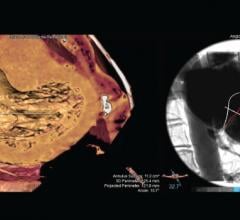
Pie Medical Imaging announces its new release of 3mensio Structural Heart, dedicated to planning of structural heart interventions. This new release contains an optimized Mitral workflow and a new Septal Crossing workflow for planning of mitral valve procedures to determine the appropriate access route based on computed tomography (CT) images. These new innovations will be shown at the EuroPCR in Paris, May 19- 22.
 May 08, 2015

Feature
Gene therapy can clip out genetic material linked to heart failure and replace it with normal genes, according to a study from the Cardiovascular Research Center at Icahn School of Medicine at Mount Sinai. The study is published in the April 29 edition of Nature Communications.
May 07, 2015
News
New technology developed at the Martinos Center for Biomedical Imaging at Massachusetts General Hospital (MGH) may extend the benefits of magnetic resonance imaging (MRI) to many patients whose access to MRI is currently limited. A redesign of the wire at the core of the leads carrying signals between implanted medical devices and their target structures significantly reduces the generation of heat that occurs when standard wires are exposed to the radiofrequency (RF) energy used in MRI. The novel system is described in a paper published in the online Nature journal Scientific Reports.
May 07, 2015Sponsored Content

Feature | Nuclear Imaging
Cardiac PET/CT represents a major advancement in cardiovascular diagnostics, offering significant clinical and ...
November 12, 2025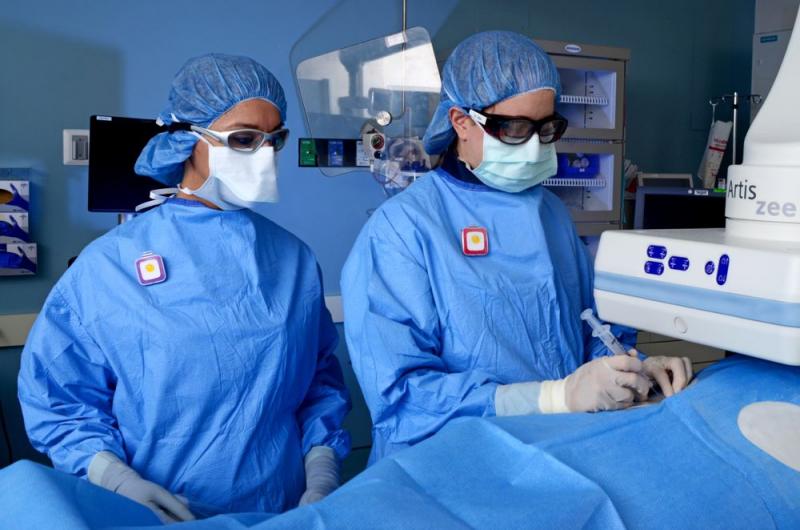
Feature | Radiation Dose Management
Physicians and staff working in cath labs are constantly exposed to direct X-ray beams and scatter radiation. Traditionally cath lab staff wear radiation badges to record exposure, but these only provide historical data, long after the exposures have taken place. To be meaningful and change habits to reduce exposure, some labs have adopted real-time dose recording systems, which all staff to see the doses they are receiving so they can literally take a step back to reduce their dose.
May 07, 2015
Feature | Information Technology | Dave Fornell
The Centers for Medicare and Medicaid Services (CMS) gathered public comments on its Stage 3 Meaningful Use (MU) requirements through May 30. The third and final set of MU rules are a core part of the plan to reform the American healthcare by leveraging health information technology (IT) to help reduce costs, eliminate redundancies, and convert from a fee-for-service to a fee-for-performance reimbursement system.
May 07, 2015
Case Study
Cincinnati, Ohio-based The Christ Hospital Health Network’s Heart and Vascular Center is committed to delivering the highest quality of care to its patients. They recently deployed an integrated cardiovascular information system (CVIS) in order to support this commitment to quality.
May 07, 2015Sponsored Content
Feature
SPONSORED CONTENT — Studycast is a comprehensive imaging workflow system that allows healthcare professionals to work ...
June 17, 2025
News
NorthStar Medical Radioisotopes LLC has completed its first production-scale test run of the molybdenum-99 (Mo-99) aliquoting system installed at the University of Missouri Research Reactor (MURR) in Columbia, Missouri. The test and subsequent shipment of the resulting Mo-99 to NorthStar’s Madison facility is another milestone in the establishment of domestic production of the vital medical radioisotope.
May 07, 2015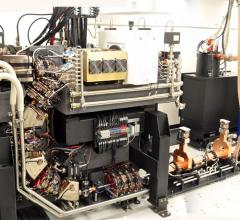
News
A new study shows that the recently developed Compact Light Source (CLS), a commercial X-ray source, enables computed tomography (CT) scans that reveal more detail than routine scans performed at hospitals today. With roots in research and development efforts at the Department of Energy’s SLAC National Accelerator Laboratory, the new technology could soon be used in preclinical studies and help researchers better understand cancer and other diseases.
May 07, 2015
News | Radiation Dose Management
The Organization for Occupational Safety in Interventional Fluoroscopy (ORSIF) announced the release of a new documentary film on the impact of chronic, low-level exposure to ionizing radiation on physicians that practice interventional medicine in fluoroscopy labs. The documentary features noted heart surgeon Edward Diethrich, M.D., founder of the Arizona Heart Foundation.
May 07, 2015Sponsored Content

Feature | Information Technology
Providing exceptional cardiovascular care for patients to achieve the best possible outcomes is the number one goal for ...
March 21, 2024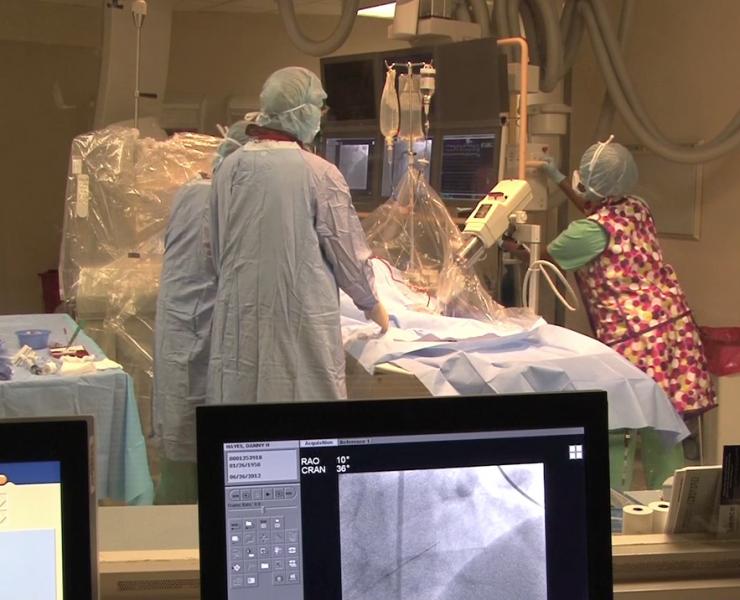
Feature
People with acute coronary syndrome (ACS) who undergo an angioplasty procedure and receive a heart stent are prescribed an oral antiplatelet (OAP) therapy and aspirin to help prevent a heart attack, a blood clot in their heart stent (stent thrombosis), or even death.[3]
May 06, 2015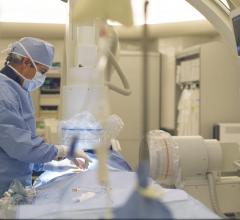
News | Congenital Heart
A retrospective review of 633 adults and children who underwent bioprosthetic pulmonary valve replacement (PVR) for congenital heart disease between 1996 and 2014 indicated that the risk of re-intervention was five times greater for children than adults. In addition, the likelihood of re-intervention decreased by 10 percent for each increasing year of age at surgery. Valve type was another important determinant of re-intervention, according to Rio S. Nomoto, BA, medical student at Tufts University School of Medicine, who presented the results of this research at the 95th American Association for Thoracic Surgery (AATS) Annual Meeting in Seattle on April 28.
May 06, 2015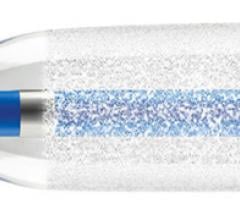
News
The Spectranetics Corporation announced it is accelerating investments in the Stellarex drug-coated balloon angioplasty (DCB) platform for treatment of below the knee (BTK) peripheral artery disease. The company estimates this will represent a $150 million market opportunity by 2020.
May 06, 2015Sponsored Content

Feature | Cardiac Imaging
Cardiac positron emission tomography (PET) is growing in popularity among cardiologists because it provides the ability ...
March 05, 2024
Feature
Ultrasound can increase the rate at which heart cells beat, researchers from Drexel University report. In their paper “Ultrasound-Induced Modulation of Cardiac Rhythm in Neonatal Rat Ventricular Cardiomyocytes,” published ahead-of-print in the Journal of Applied Physiology, they describe the ultrasound settings that can change the beat frequency of cardiac cells.
May 06, 2015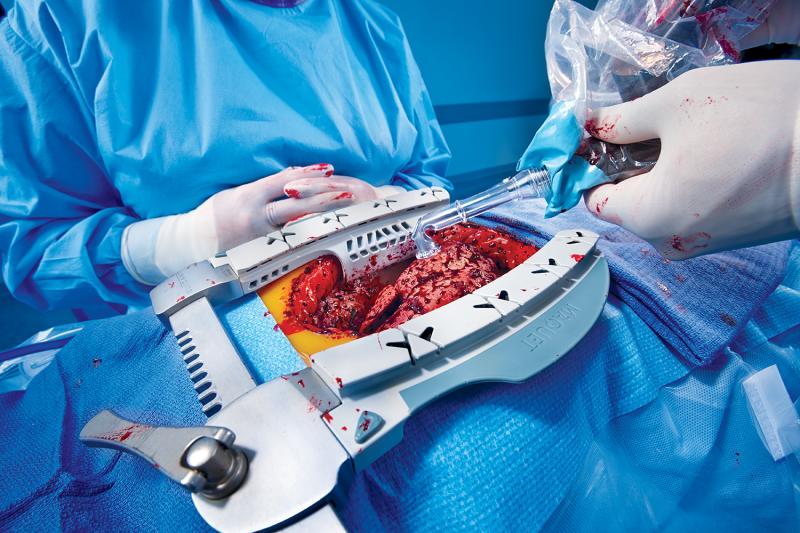
Feature | Cardiovascular Surgery | Reza Dabir, M.D.
Transmyocardial laser revascularization (TMLR or TMR) was introduced in the late 1990s as a method to offer relief to patients with incapacitating angina that were poor candidates for other procedures such as coronary artery bypass graft surgery or balloon angioplasty and stenting. The basis for the procedure is use of a laser to bore small holes from the ventricle into the myocardium, allowing blood to flow directly into the heart muscle without the need to travel through blocked coronary arteries. The belief is that this process helps enable angiogenesis.
May 06, 2015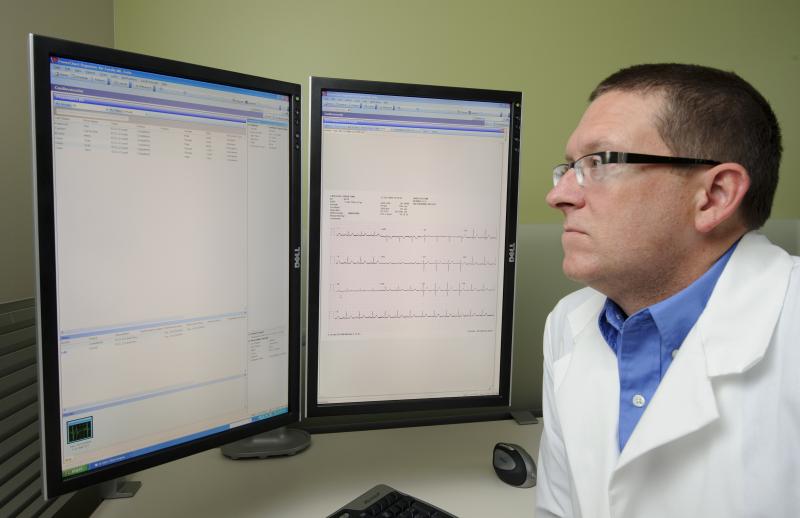
Feature | Information Technology
Hospitals with electronic health records (EHRs) for ischemic stroke patients did not demonstrate better quality of care or clinical outcomes for those patients when compared to similar hospitals without EHRs, according to a study published in the Journal of the American College of Cardiology.
May 05, 2015