Fractional flow reserve (FFR) is considered the gold standard measure whether a coronary lesions needs a percutaneous coronary intervention (PCI) or if the patient can be treated with medical therapy and avoid a permanent metallic stent implant. There were several FFR late-breaking clinical trials presented at the 2020 Transcatheter Cardiovascular Therapeutics (TCT) meeting in October. 


Here are some of the key takeaways from the late-breaking interventional cardiology and structural heart trials presented at the 2020 Transcatheter Cardiovascular Therapeutics (TCT) meeting in October.


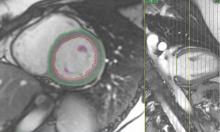
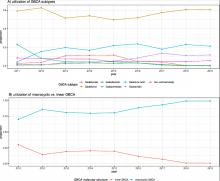
October 29, 2020 — Contrast agents used to improve views of the heart on magnetic resonance imaging (MRI) carry a very low risk of allergic reactions, vomiting and other acute adverse events, according to a large study from Europe published in Radiology: Cardiothoracic Imaging.[1] The findings come three years after the European Union enacted new regulations on the contrast agents.


Oct. 29, 2020 — Boston Scientific initiated the CHAMPION-AF clinical trial to evaluate the safety and efficacy of the Watchman FLX left atrial appendage closure (LAAC) device within a broad population of patients with non-valvular atrial fibrillation (NVAF), including those who are at low-to-moderate risk of bleeding from the use of anticoagulation.

October 28, 2020 — Northwestern Memorial Hospital is the first hospital in the United States to purchase Caption Health’s artificial intelligence (AI) technology for ultrasound, Caption AI.

The September-October 2020 digital edition of Diagnostic and Interventional Cardiology (DAIC) magazine include links to videos, comparison charts and related content.

Free access to the digital issue

Sign up for a free subscription.


Content in this issue includes or links to the following:


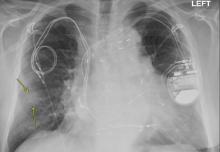
October 27, 2020 – Magnetic resonance imaging (MRI) examinations can be safely performed in patients with non-MR compatible cardiac devices, including pacemakers, abandoned pacing leads, and implantable cardioverter defibrillators (ICDs), according to a new study published in Radiology: Cardiothoracic Imaging.[1]


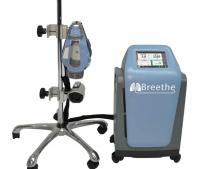
October 26, 2020 — The U.S. Food and Drug Administration (FDA) has granted 510(k) clearance to Abiomed for an all-in-one, compact extracorporeal membrane oxygenation (ECMO) cardiopulmonary bypass system called the Abiomed Breethe OXY-1 System.


October 26, 2020 — The U.S. Food and Drug Administration (FDA) has cleared the Medtronic Abre venous self-expanding stent system. This device is indicated for use in the iliofemoral veins in patients with symptomatic iliofemoral venous outflow obstruction, also known as deep venous obstruction.

October 23, 2020 —  Positive results were reported on the first 230 patients enrolled in its FLASH study, a real world pulmonary embolism (PE) population, using the FlowTriever thrombectomy device from Inari Medical Inc. The FLASH Registry included high- and intermediate-risk patients, was obtained across 19 U.S. sites. 

Subscribe Now